
Visit to Japan
I decided a few months ago that I ought to visit Japan, because I rather enjoy some of their products, and design aesthetic, and romanticize the pastoral living. I have a fantasy about potentially retiring there, so I better visit first and check it out.
I booked an 8-day tour, which kept my schedule pretty packed. I also made the mistake of visiting during New Year’s so the tour company made some adjustments to avoid the more crowded areas — for example, some of the big temples.
Flight
I chose to fly in premium economy with a late morning take-off. That gave me 12 hrs for reading books. Fortunately, the seat next to mine remained empty so I did not have to fight over the arm rest and the premium ticket gave me enough room to cross my legs. Overall a pleasant experience that left me predictably tired (from being awake for so long).
Day 1: Wednesday 12/31
After a good amount of rest, I woke up dang early (7:30) and had an unscheduled day wandering around Tokyo. I saw some of the shrines — turns out they have about 1,400 in the Tokyo area — and visited an awesome bookstore — Tsutaya Books in Daikanyama. Compared to America, the Japanese construct these stores properly! In addition to the books, they had an area devoted to stationary, including fountain pens, a paid area for coworking and study, and a decent restaurant, where I enjoyed some omurice.
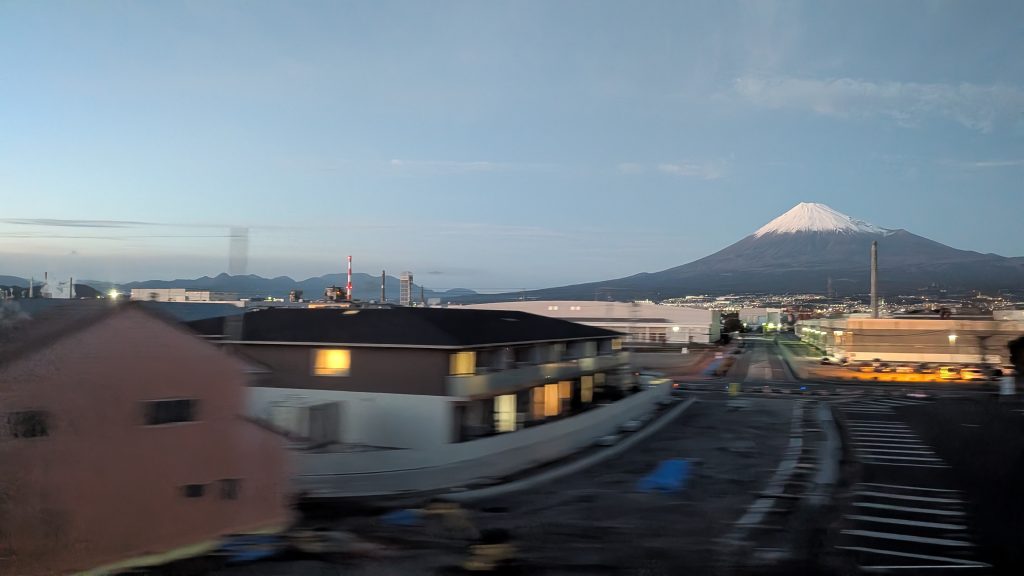
Mt Fuji, as seen from the Shinkansen 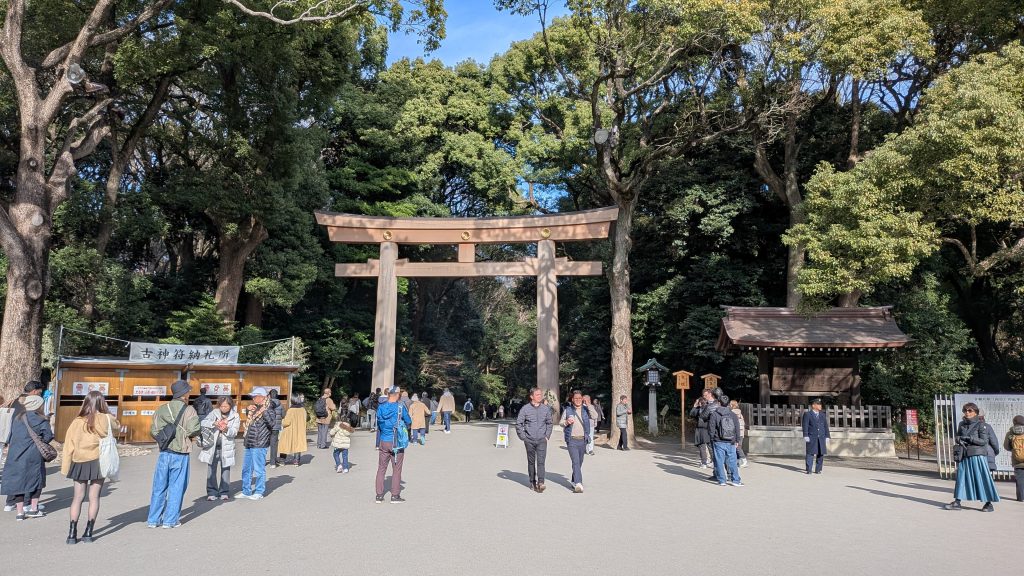
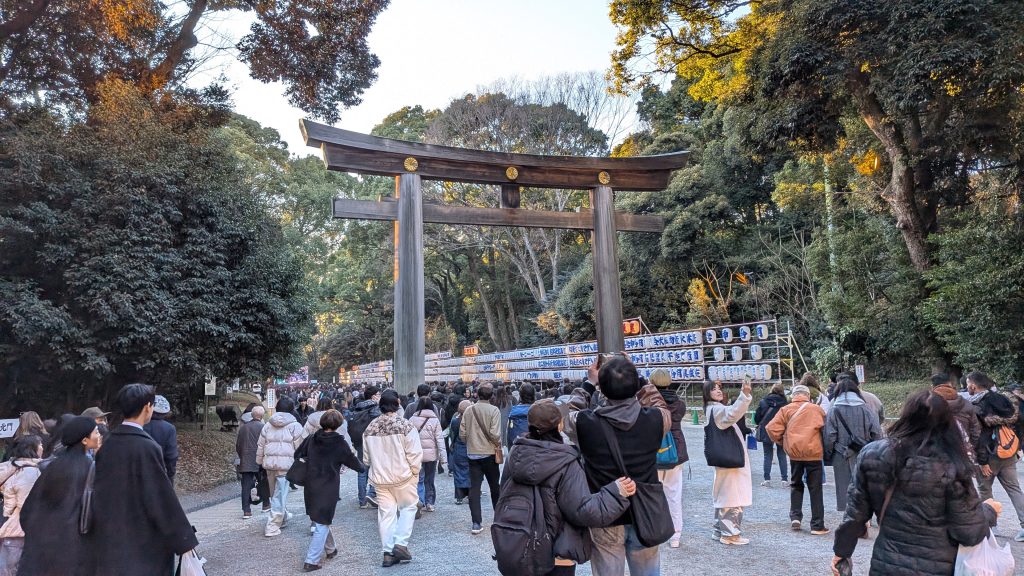
Torii Gate at Meiji Jingu 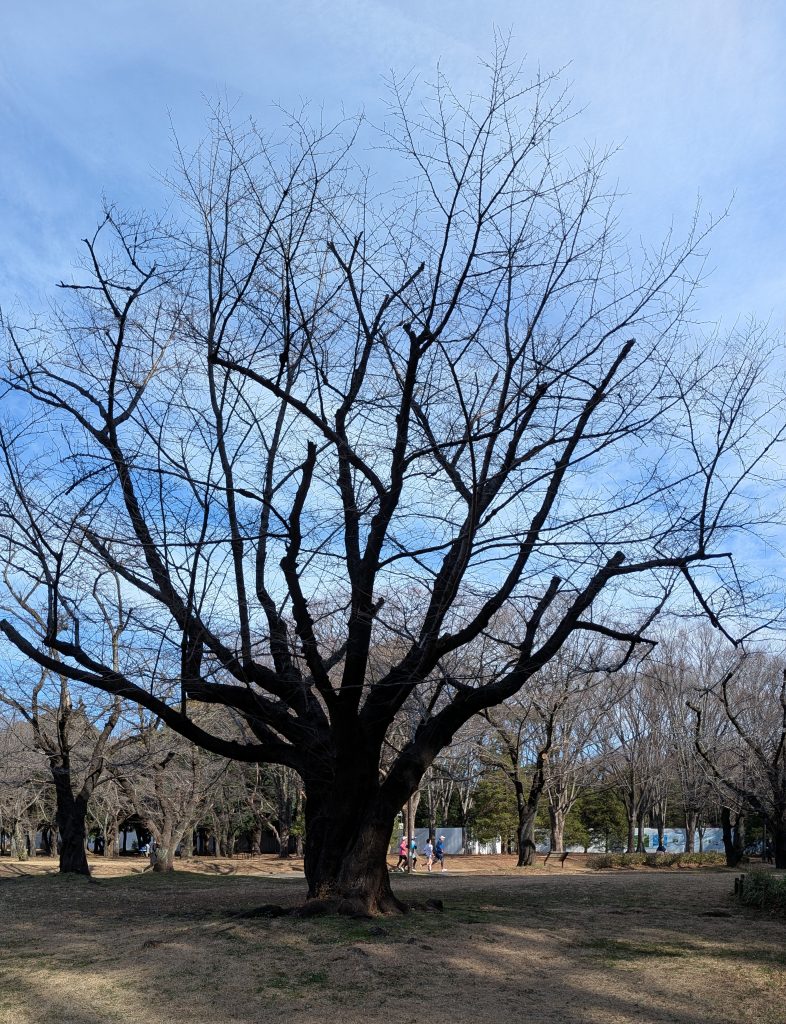
Dormant Cherry Trees at Yuyogi Park 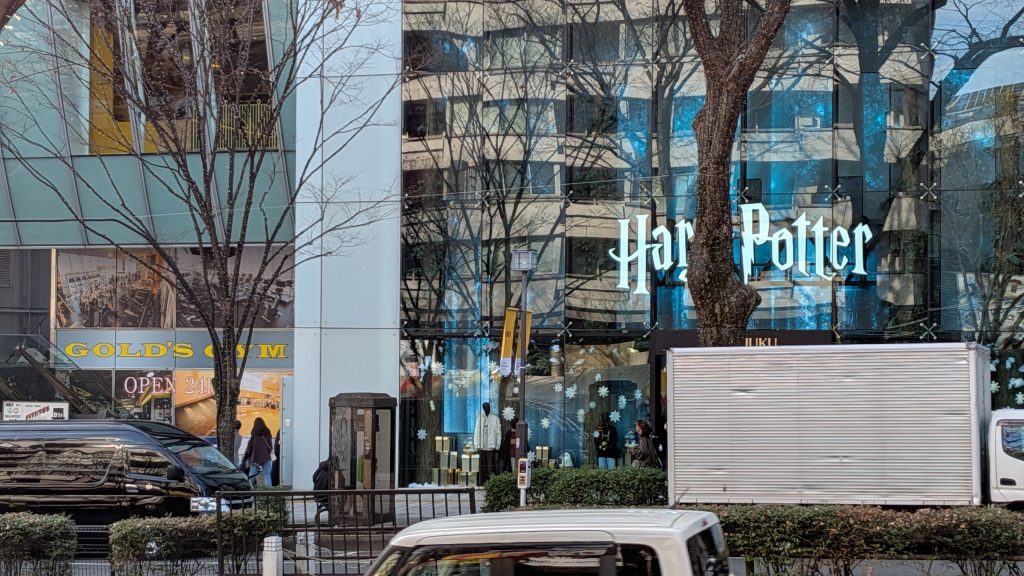
Gold’s Gym and Harry Potter 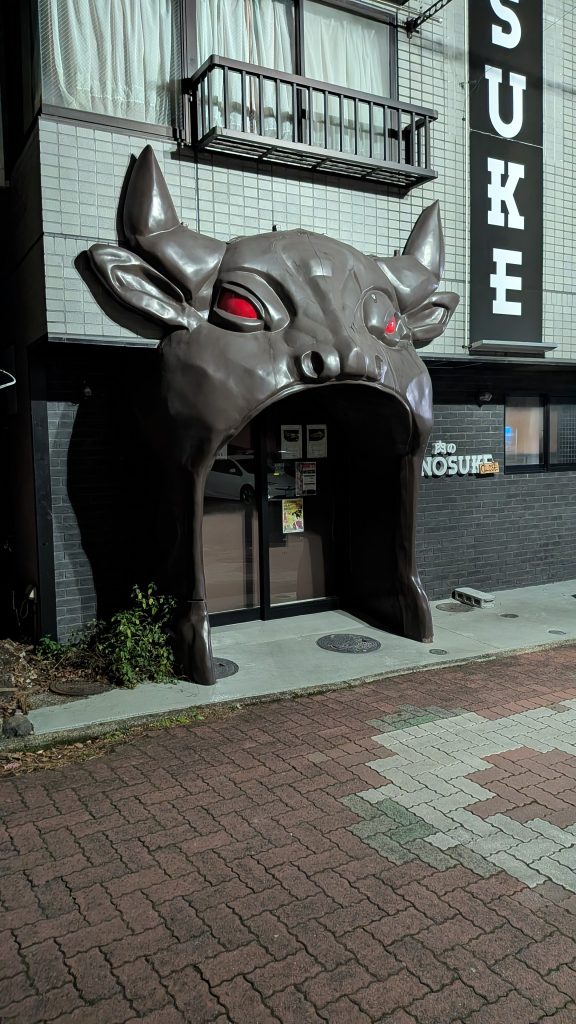
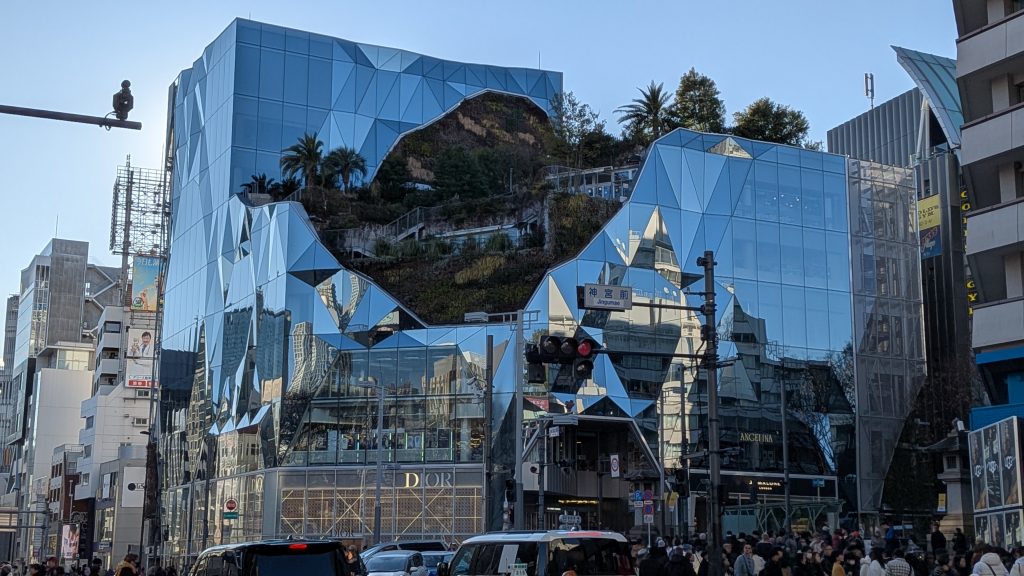
Fascinating Architecture
I was surprised to see a Gold’s Gym (saw this establishment quite frequently) interestingly next door to a large Harry Potter store.
I wanted to check out some city architecture, so I decided to visit some libraries. But the Japanese do a much bigger New Year’s celebration than we have here in the US, so they were all closed.
Next I tried for some parks and Shrines. I visited Yuyogi Park, which was under construction. Being the middle of winter, the cherry trees there were dormant. Plenty of folks were out running.
I quickly got used to using the metro, buying a ticket for $1 or $2 even though I didn’t bother to buy a pass. Google maps does an incredible job, naming the trains, station entrances and exits, even indicating which car to board so that the trip goes more smoothly when making connections. The train infrastructure runs the city! I would learn later — from a tour guide — that Shinjuku Station handles 3.5 million people per day! Indeed, many of the stations neighbor with shopping malls, which I found extremely convenient. Sometimes these malls stretch for several blocks underneath the roadways. This valuable real estate helps pay for the system!
After wandering around Tokyo, I decided I had time to stop by Hakone for a visit to the Yoshiike Ryoken onsen and relax my legs. So I bought a ticket for the Shinkansen bullet train and hopped aboard. Turns out I got the express train, so it didn’t stop at Hakone and instead kept going to Nagoya — about an hour farther than I wanted. Also, the train was full, so I was standing in the back the whole time. Eventually we stopped briefly at Kanayama, so I hopped off and doubled back on the local train, costing me about 2.5 hours. During this accident I grabbed some photos of Mt Fuji.
Turns out the Shinkansen tickets are timed, so my ticket had expired by the time I wanted to disembark at Hakone. Fortunately, the guard let me out. Unfortunately, that meant it was dark by the time I got to Ryoken so I only spent an hour in the baths and didn’t have time to see their garden.
First Impressions:
- I love the trains. They can get me anywhere at anytime, run very frequently.
- The signs all have enough English on them that, together with my phone for instructions, I can navigate around the station without too much confusion.
- Coupling the train stations to shopping malls works really, really well. Cars are not customers, people are!
- Tokyo is a dense and bustling metropolis. But so much cleaner than NYC.
Day 2: Thursday 01/01
First day with an official tour. And plenty more walking.
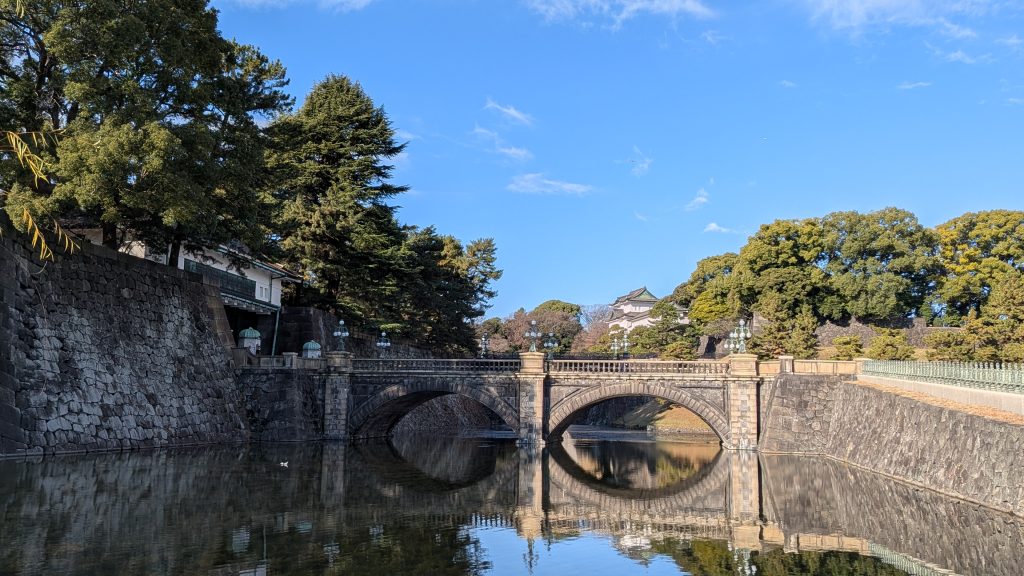
We started at the Imperial Palace, where we were lucky enough to see two of the Royal Family arrive in preparation for tomorrow’s open house.
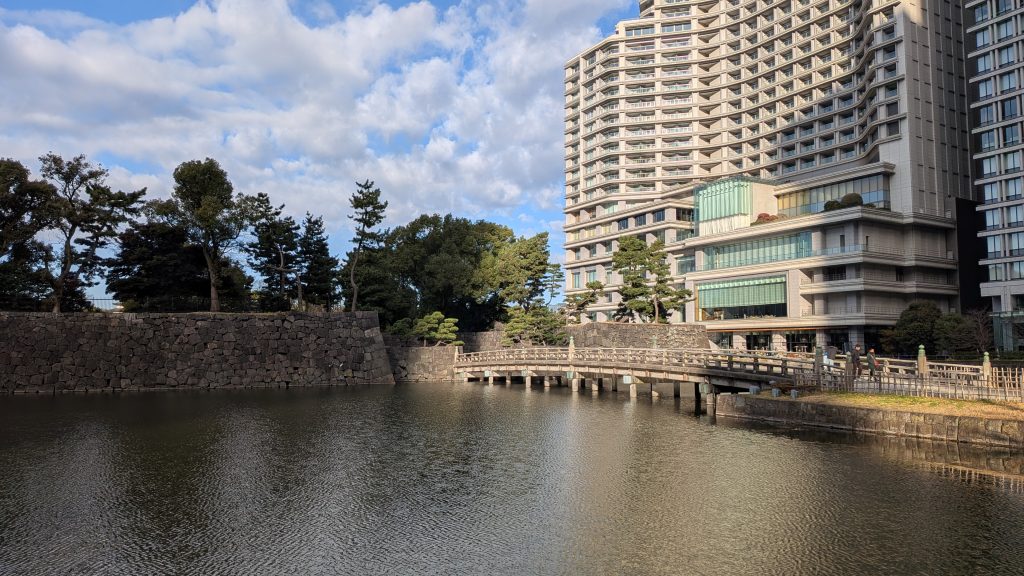
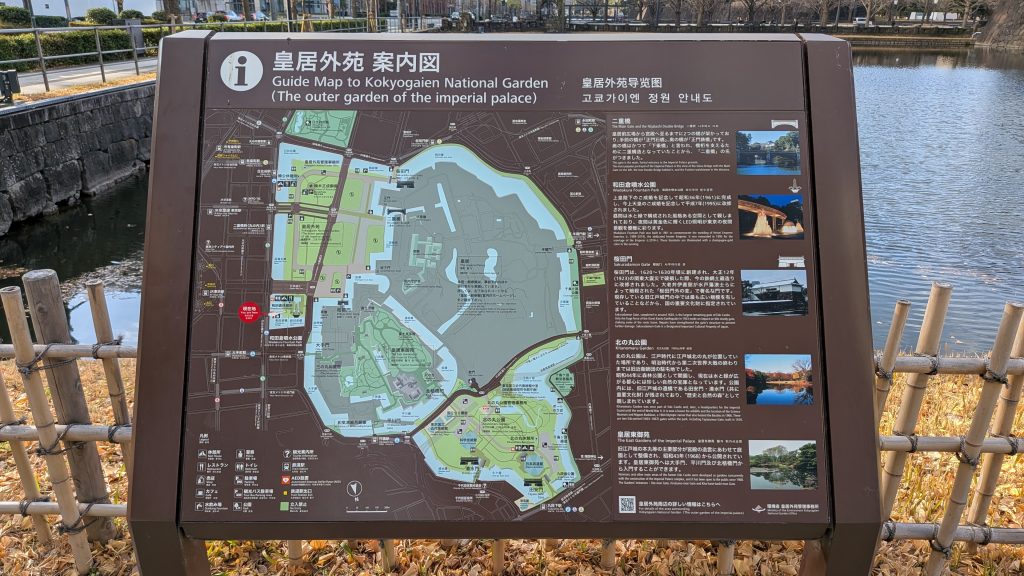
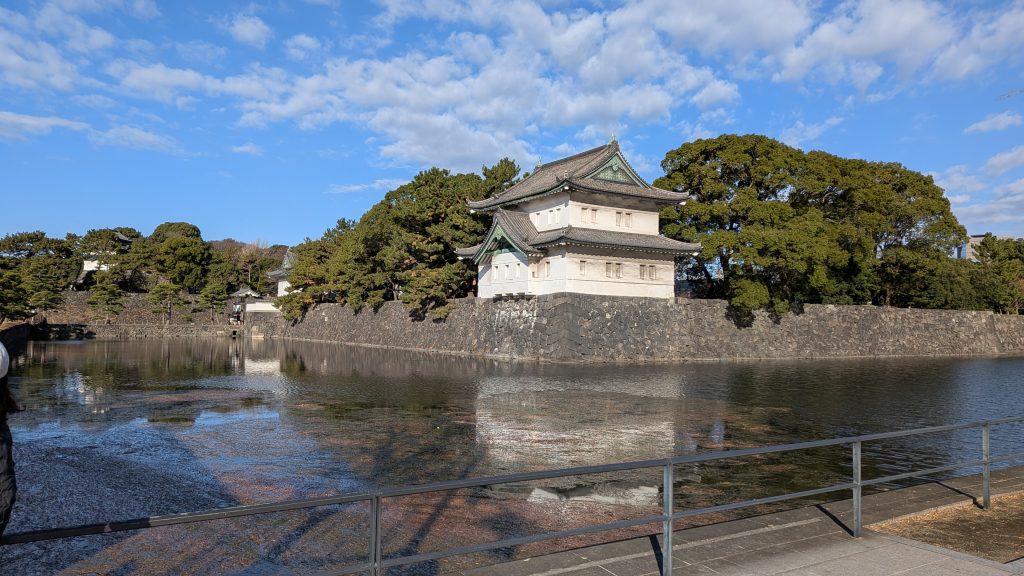
Next, we walked a bit around the area, visiting the Tokyo Station. Also nearby was the large square building, Dai-ichi Life Hibiya First, that General MacArthur used as an HQ during the war.
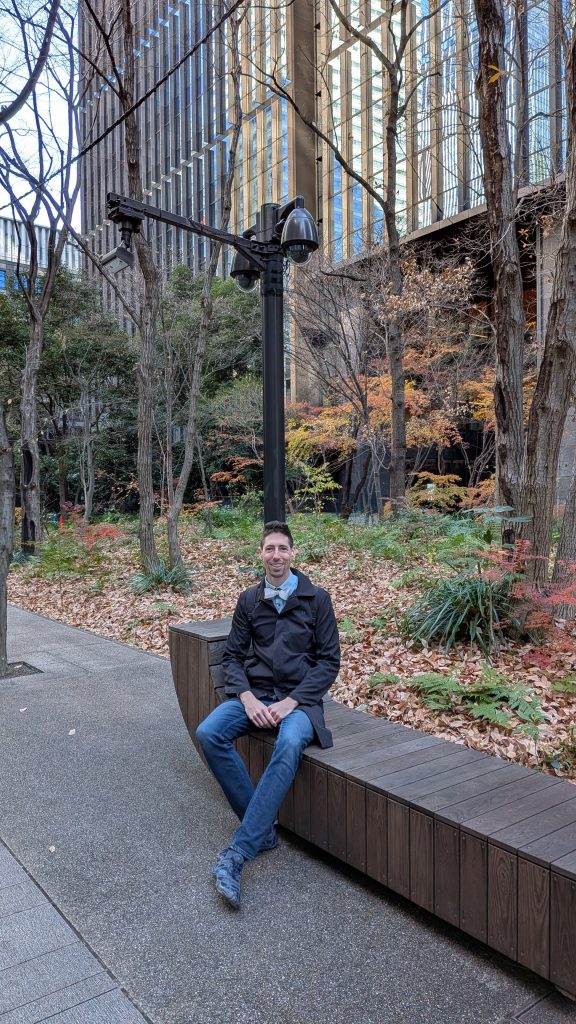
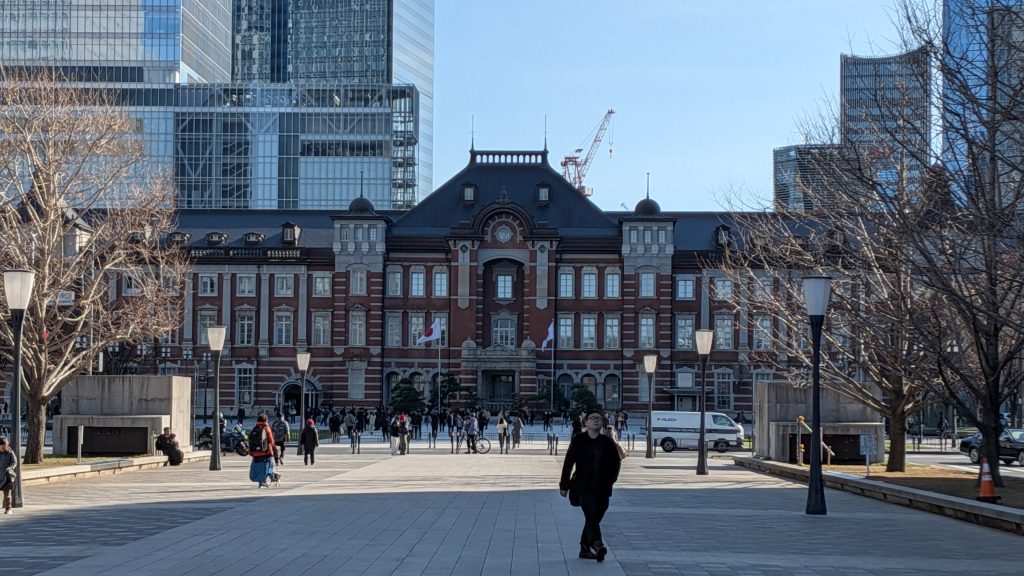
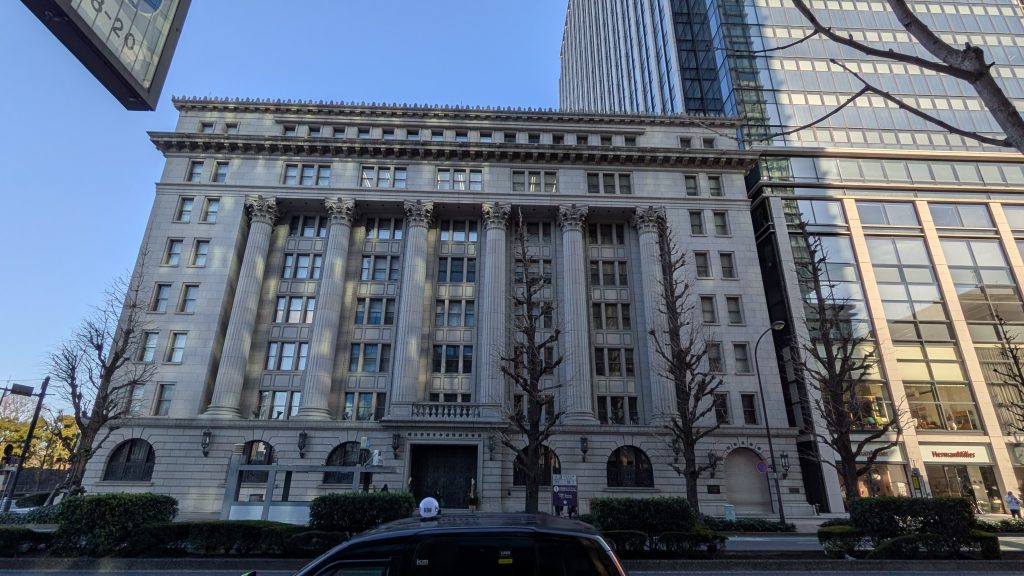
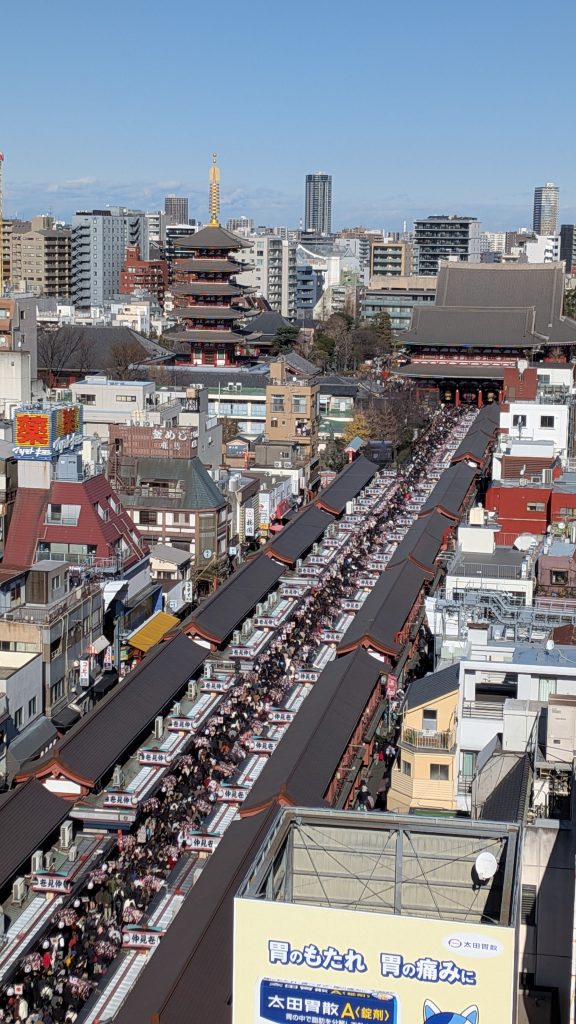
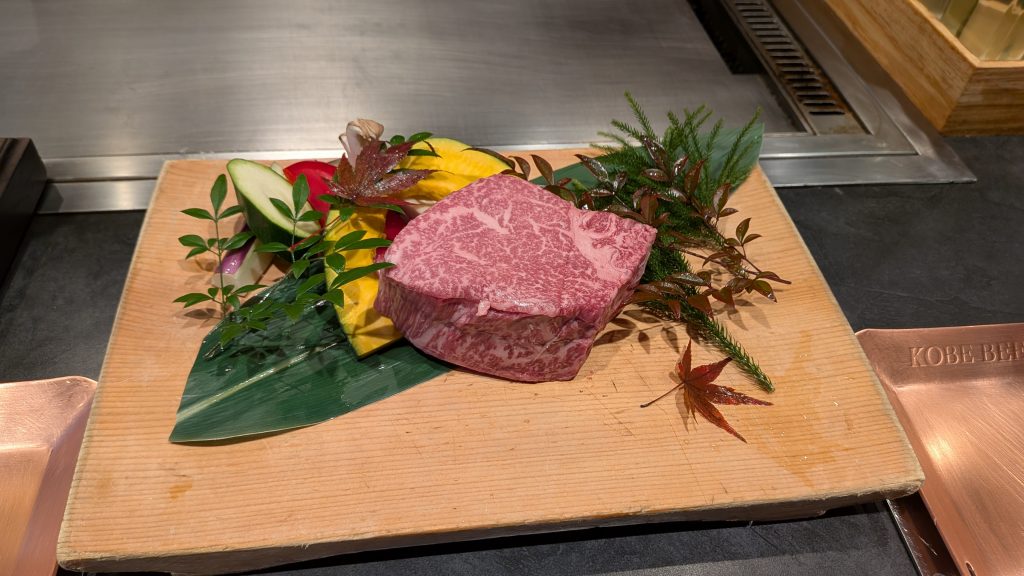
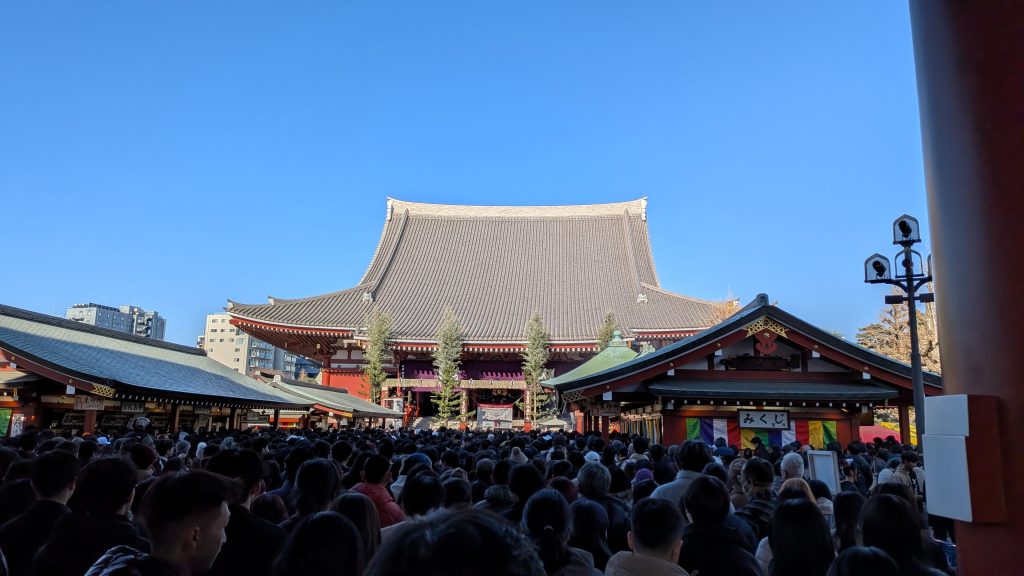
After that we headed to the Temple Senso-ji for lunch. Where I had an unintentionally expensive (~109,000¥) Kobe beef steak, that I found quite delicious. My previous experience at California’s French Laundry had a texture that did not appeal to my palette — it melted in my mouth like a gritty butter. This time, it had enough of a chew that I expect of beef, that I really enjoyed it. I was their first customer for the year and got plenty of time to chat with the chef as they cooked the meat in front of me.
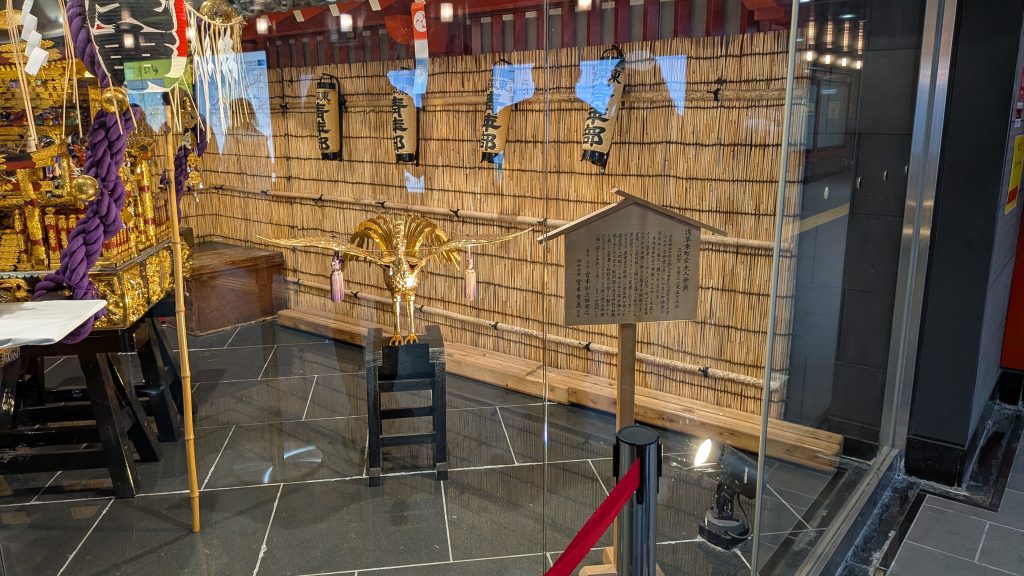
The temple, which I did time to enter because I spent too much enjoying my meal and it took 30 mins just to slow waddle with the crowd into the courtyard. Posted instructions indicated a very brief entry, turn, and exit out the side. One thing that I noticed — this might be because I hit the tourist areas — all the temples and shrines had vendors in them. Selling trinkets and charms not just to foreign tourists but the local ones as well.
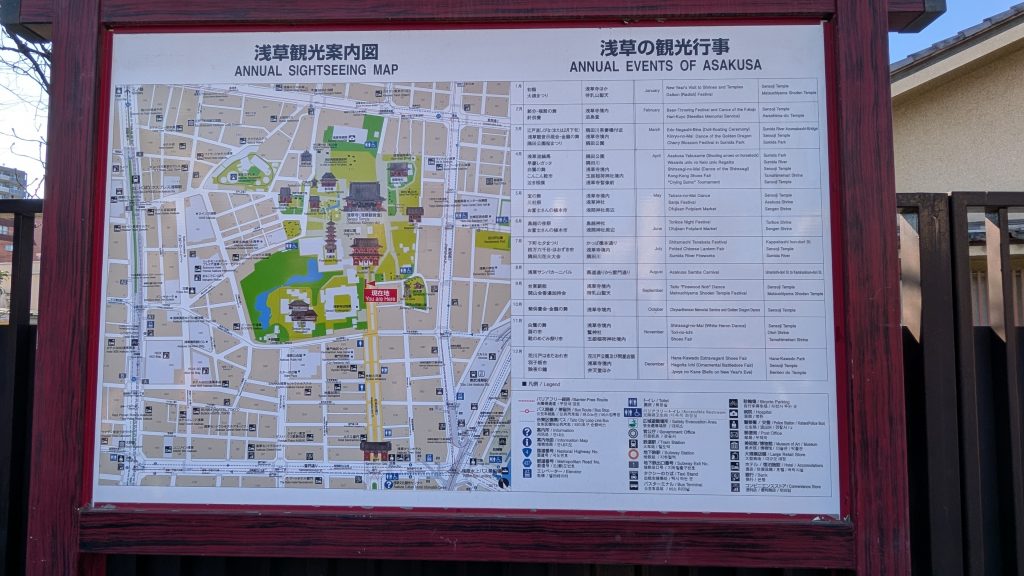
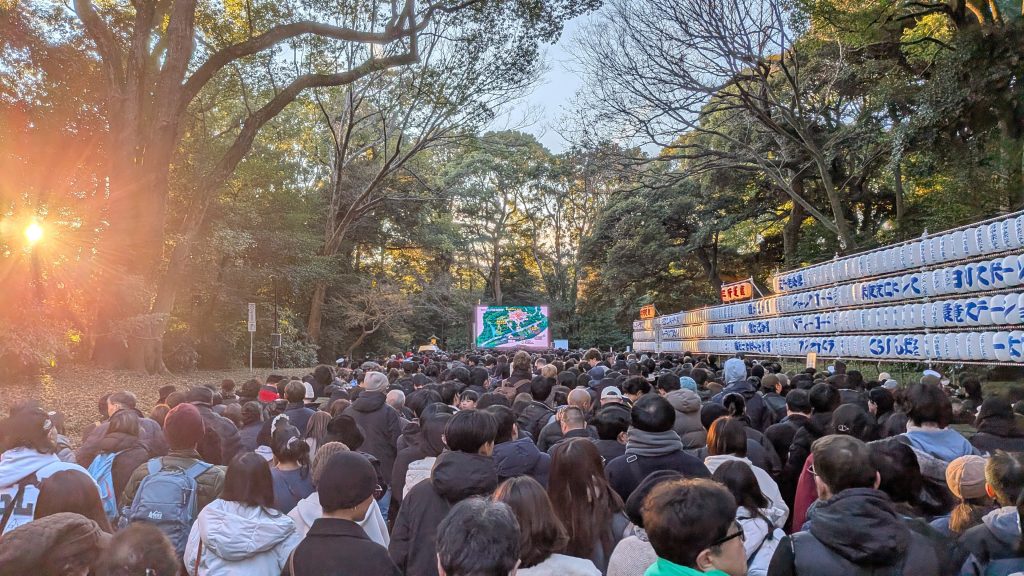
Next, we visited the Meiji Jingu (again crowded) and walked through Omotesando, the equivalent of Beverly Hills Rodeo Dr, with many of the same brands. Followed by a visit to a pet cafe. They call them “cafe” but it’s not a restaurant. Rather they act as a shop where you can visit and feed the animals. They survive on patrons that can’t own a pet in their extremely small Tokyo apartment, but who enjoy the entertainment of confiding in a small furry creature.
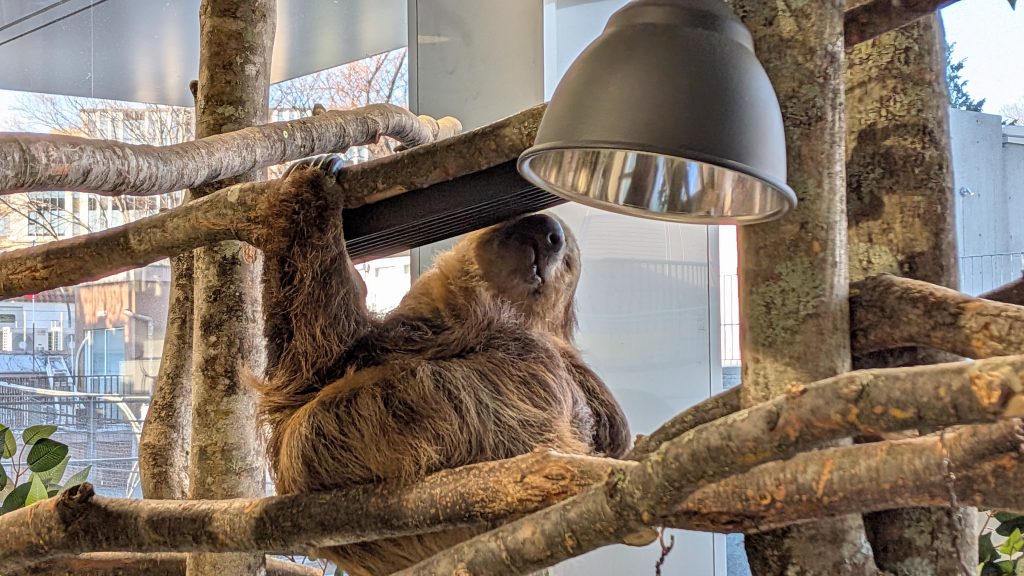
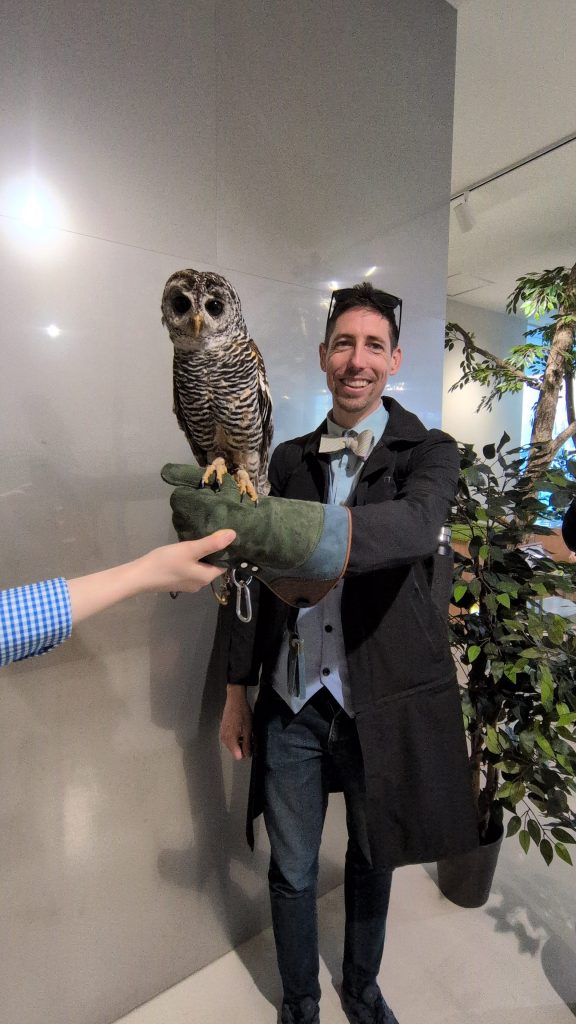
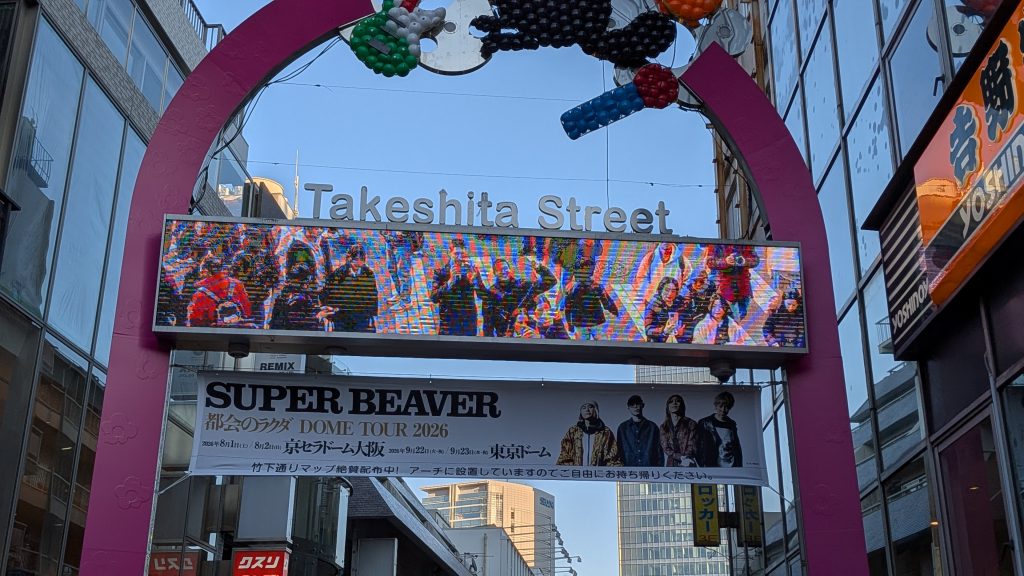
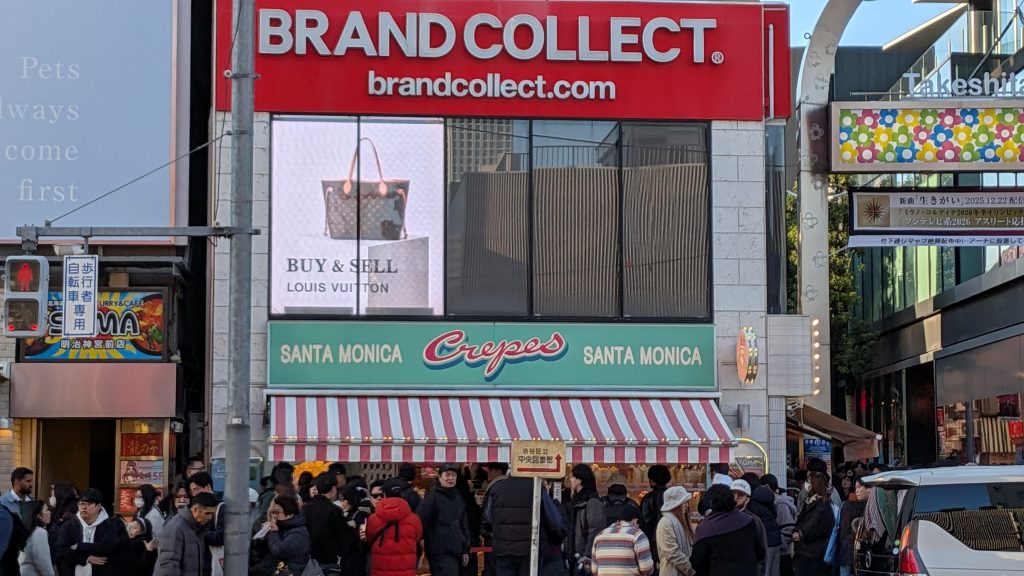
Finally we ended the day at Shibuya Station, which has the most crowded sidewalk in all of Tokyo. And I finished with a visit to the Mega Don Quixote store. This one I don’t understand, it’s like a convenience store that has everything — clothing, candy, gifts, luggage, models, trading cards, action figures, even a section for adult items! — 7 floors of densely packed shelves all screaming with advertisement. But it was very crowded, I could barely move through the aisles, and the checkout line was really long and not very convenient at all. I find the American Department stores more spacious, but also more expensive.
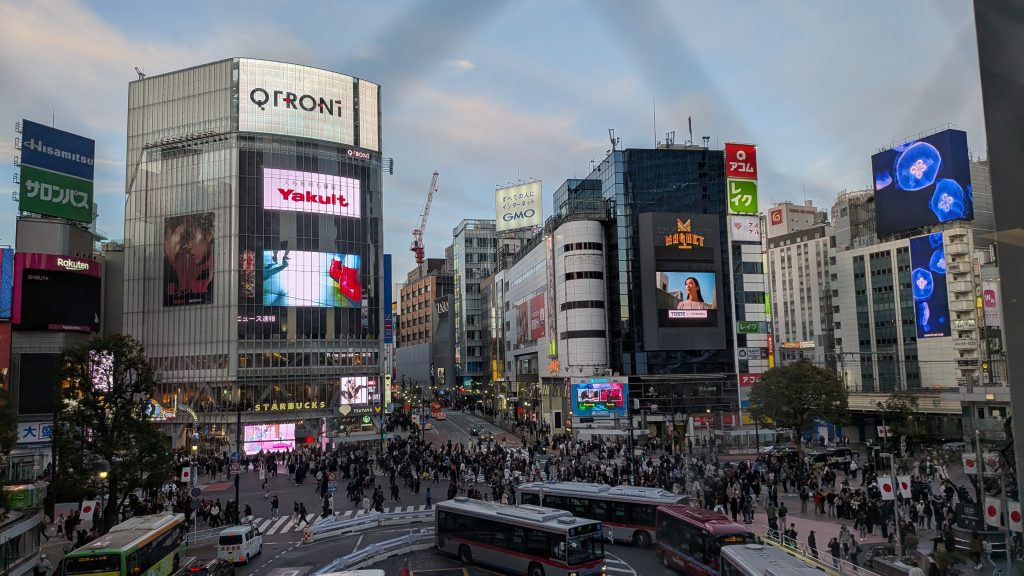
Day 3: Friday 01/02
Based on my experience the previous day, I packed a bit more light. In particular, I was not overly concerned about the cold and I chose not to bring my tablet for reading. Had I checked the schedule ahead of time, I would have doubled by socks and brought my tablet, for today we headed out via a large van to Lake Kawaguchi and Mt Fuji.
I used my tiny phone screen for reading books during the hours long stretches of driving. Interestingly, many of Japans freeways are elevated — I presume they ran out of space — and include sound barrier walls, so I had rather limited visibility of the cityscape and country side.
We stopped first at Oshi Park, which is supposed to have a good view of Mt Fuji. However it was a bit cloudy today, unlike the previous day. The tour guide informed us that Mt Fuji is moody — like a woman. The sexism runs deep in Japan. Because tours stop here for photos, there’s a shop where I got some Lavendar and Maple soft serve ice cream and some Mt Fuji branded socks.
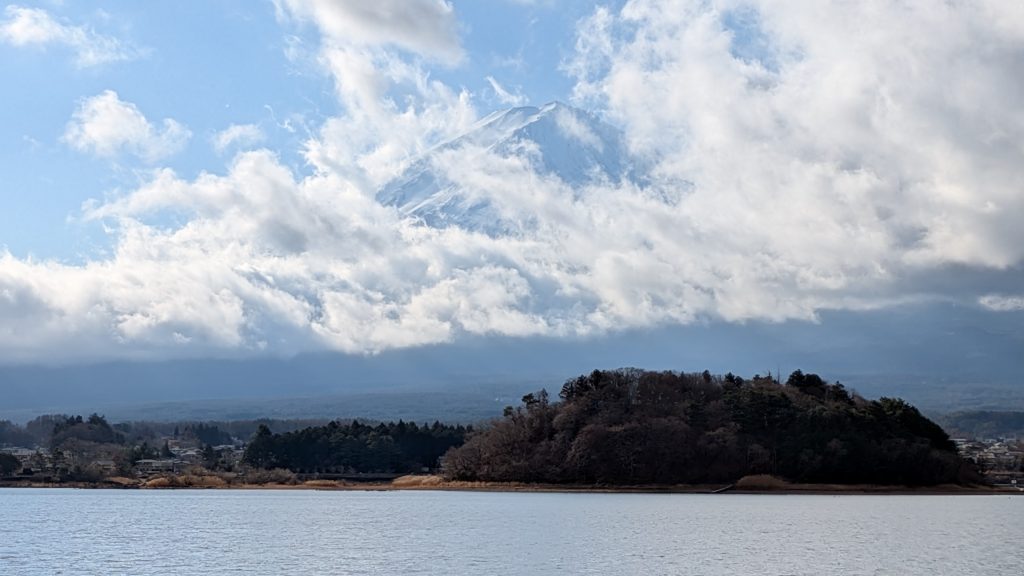
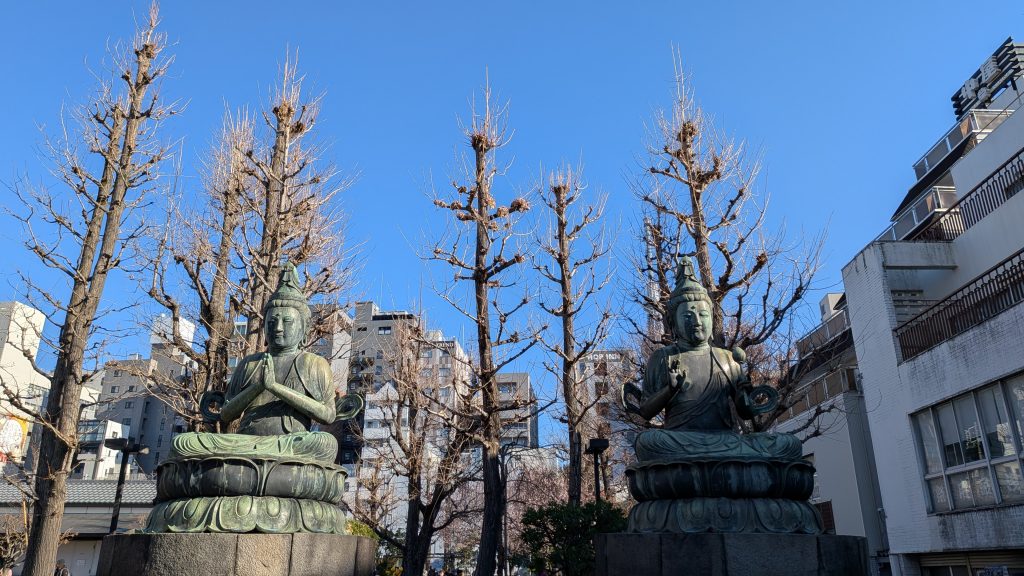
After that we proceeded to Arakurayama Sengen Park, a Shinto shrine. You can distinguish between the two major religions in Japan — Shinto and Buddhism — by the presence of Torii gates for Shinto and fierce guardian statues for Buddhism. Shinto is an animist religion native to Japan, while Buddhism spread into Japan via China and Korea. They fought some wars before deciding to coexist, and are now born Shinto, married Christian, and die Buddhist.
Rather than belonging to any of the bordering two prefectures, it turns out the Sengen Taisha Shrine owns Mt Fuji (from the 8th station up), due to a historical gift by an old shogun.
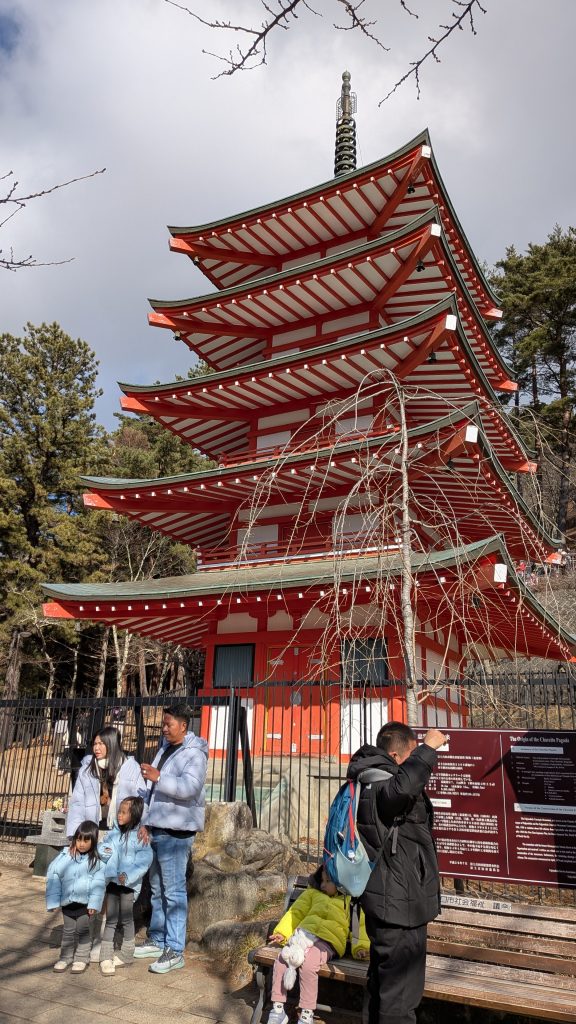
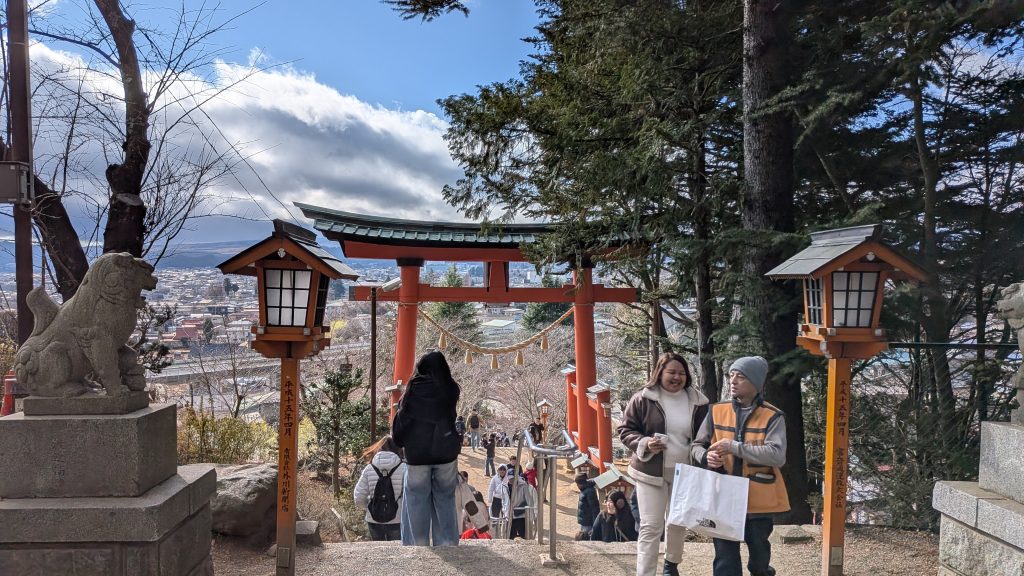
We made a brief trip closing in on Mt Fuji with a stop at Oshino hakkai for lunch. Here I tried some street vendor foods: lamb skewers, sweet potato, red bean paste mochi, and chestnuts. I also stopped at the gift shop and bought a bottle of Mt Fuji water, that I filled from a spring plumbed into the shop and some handkerchiefs.
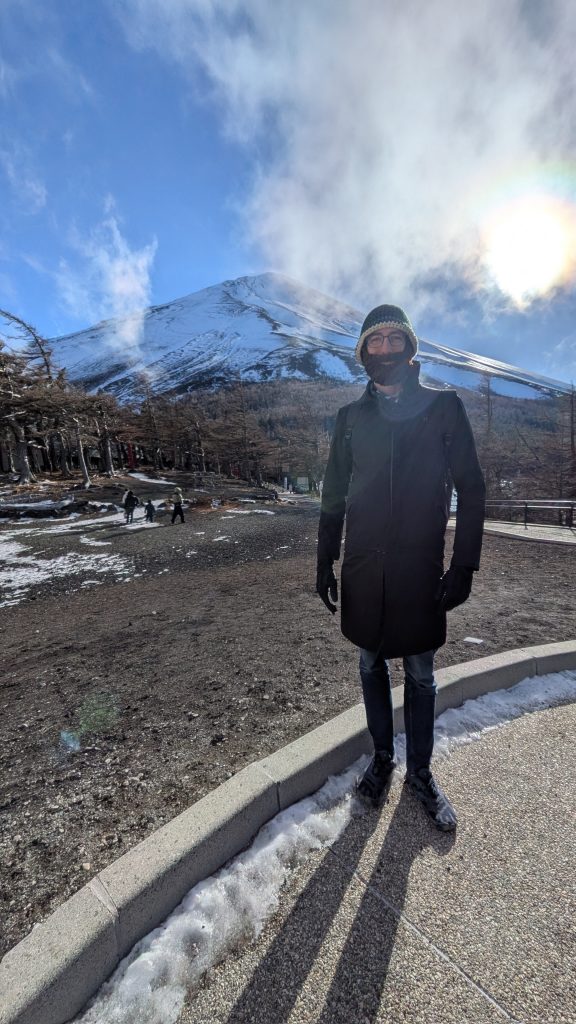
After lunch, we proceeded to the Mt Fuji 5th Station. It was -15°C, so I was glad to have doubled-up my socks, given that I have mesh shoes. Given that nobody wanted to be outside for very long and all the hiking trails were closed for winter weather, AND there would be traffic back to Tokyo (returning from their New Years travels) we didn’t didn’t stay.
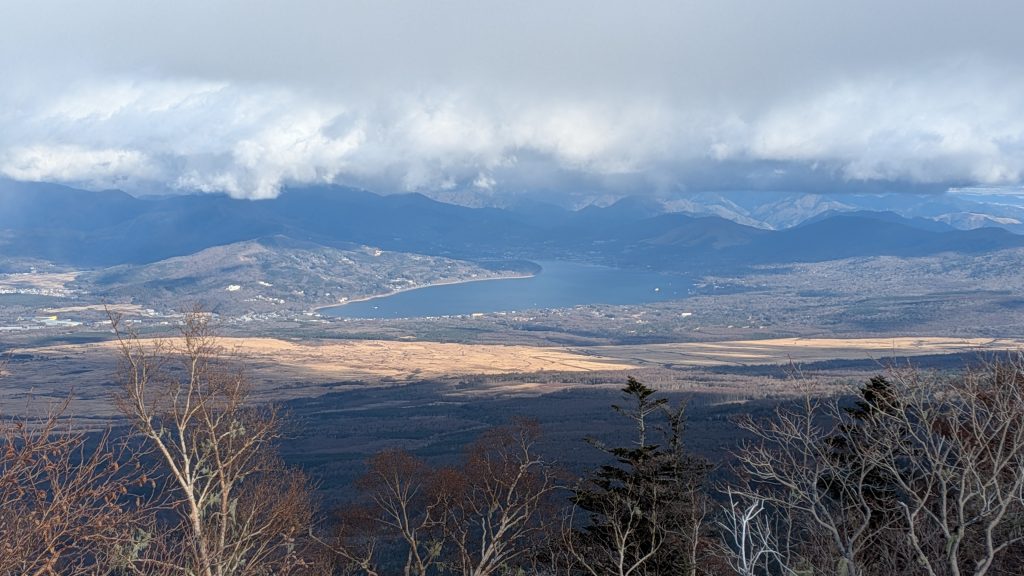
On they way back we traversed across a section of road with a musicial rumble strip, encountered plenty of traffic (that caused an extra 1.5hr delay and one of our party to miss out on a booked reservation), and I enjoyed some white strawberries and a large Fuji apple that I’d purchased earlier. I still prefer Granny Smith. Arriving back in Tokyo rather late, it was snowing!
Freezing and wet, I managed to find a spot to enjoy some noodles. Paying confused me greatly as they expected me to use a machine before entering, but it wouldn’t accept my bills >5k, which was all I had after my earlier purchases.
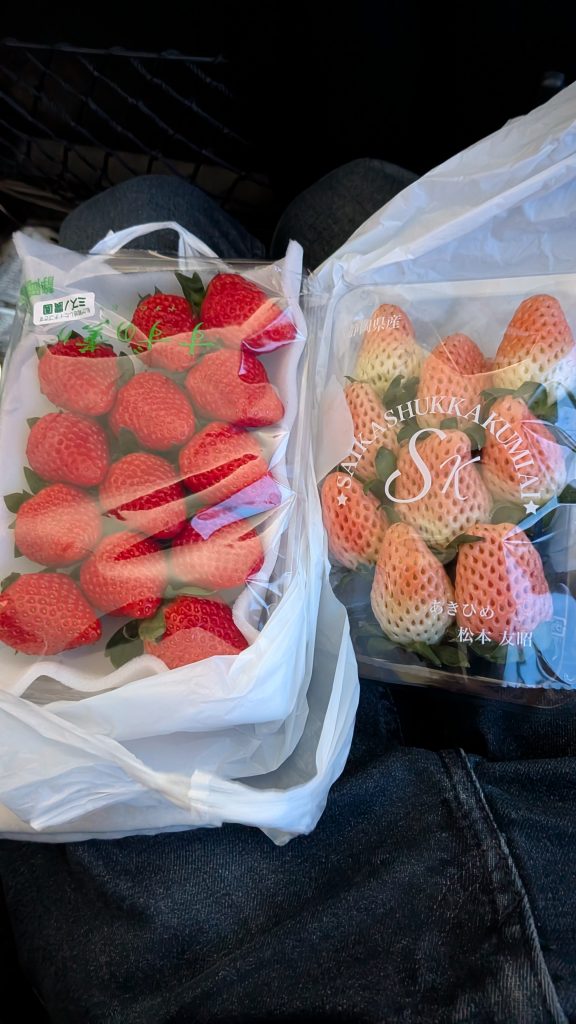
Sweet vs White Strawberry 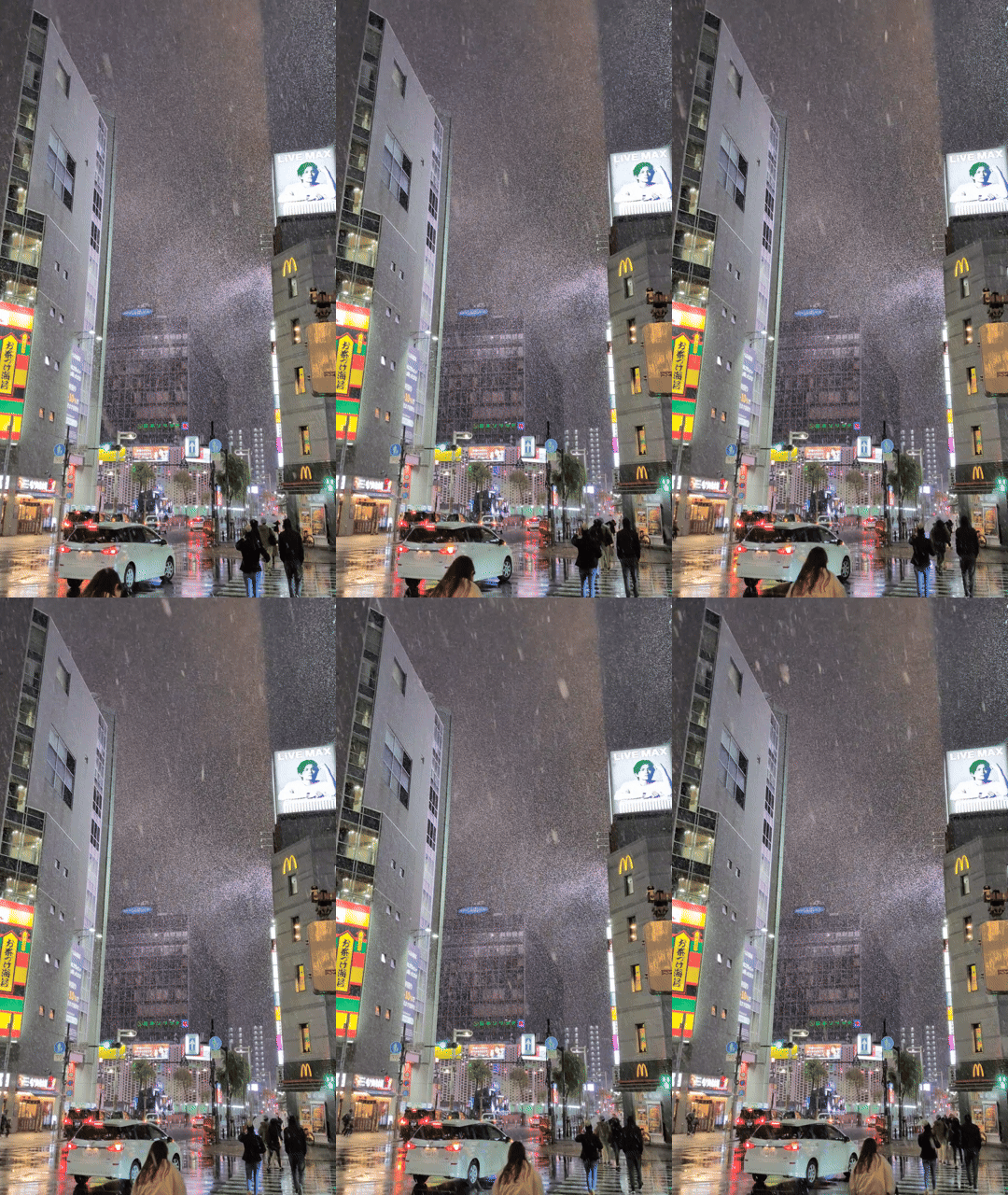
Day 4: Saturday 01/03
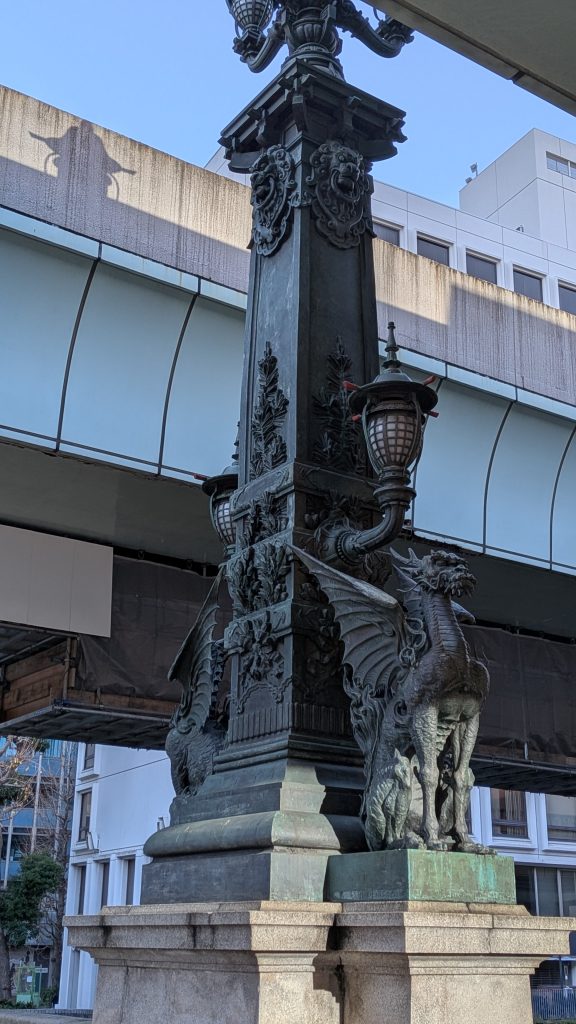
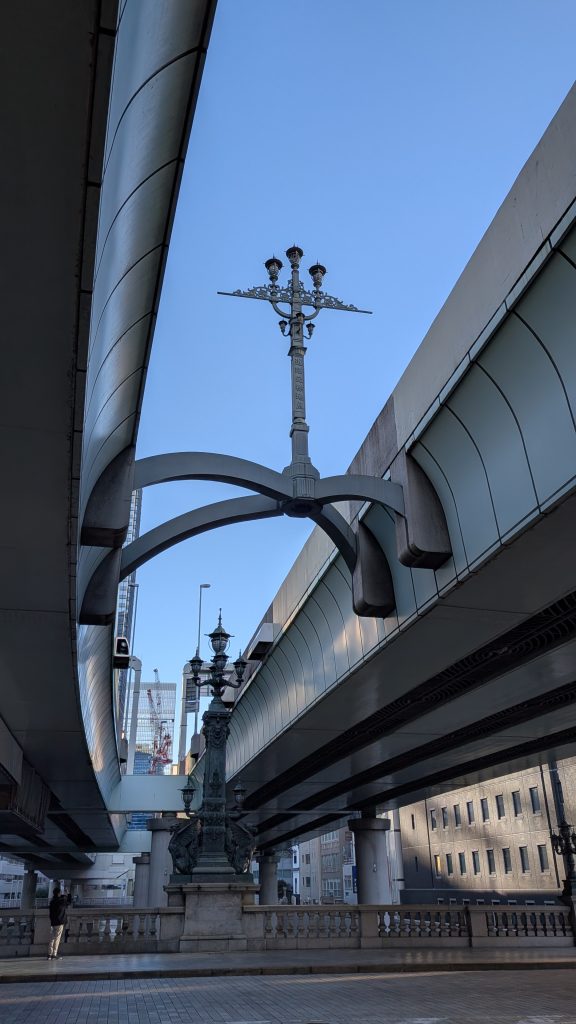
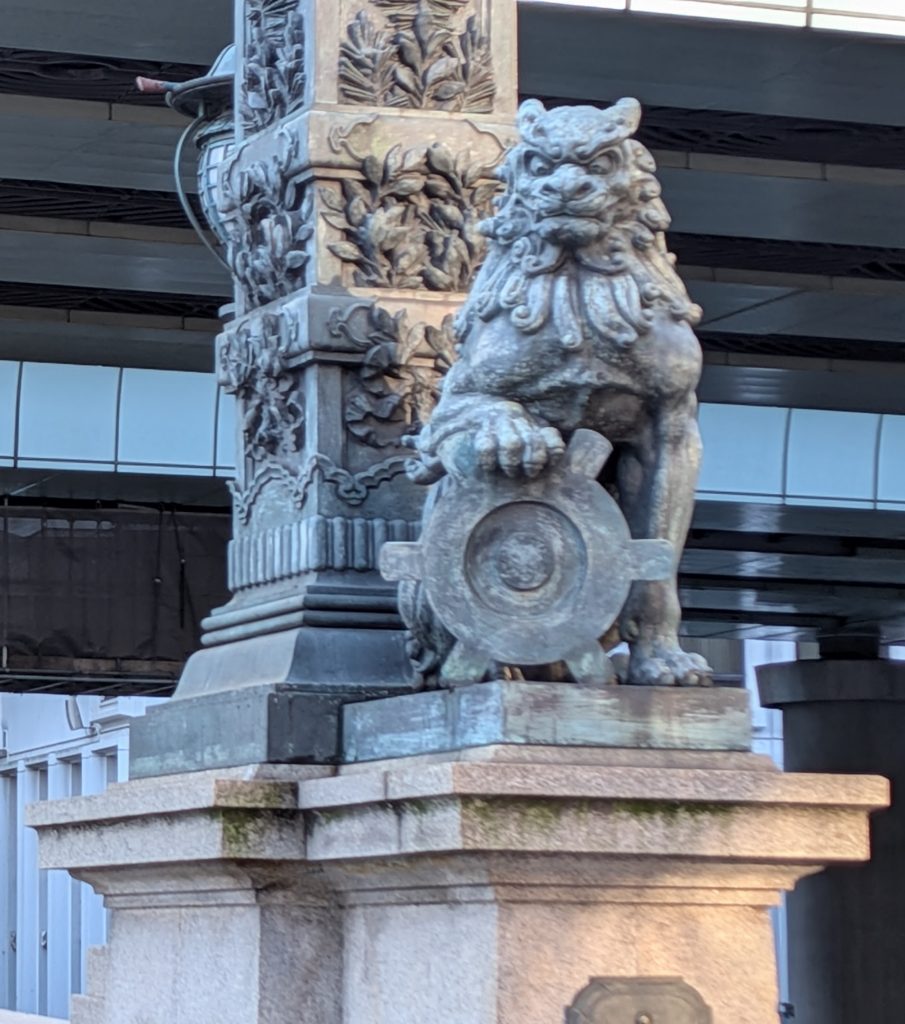
I woke up early so that I could get some photos of the Nihonbashi bridge, which made Edo (Tokyo’s former name) become a trading hub on the Five Routes. The bridge had lampposts, which are preserved in the airy medium between directions on the elevated freeway. I love Japan for their attention to preservation of some historical details even as they modernize.
From there, I visited a bookstore, which was not yet open, and paid for an hour to use the co-working area. It overlooked the Tokyo Rail Station, and came equipped with snacks, beer and wine — I enjoyed the Hoegaarden Rosée. After reading a book and enjoying the view, I then proceeded to wait at the meeting point for today’s activity: travelling to Kyoto.
The tour guide never showed up and I wasn’t able to call any Japan phone numbers. I found out later, that I was on my own and the “meeting point” in my itinerary was a wild goose chase — indeed I got lost in the sprawling subterranean shopping area trying to find it.
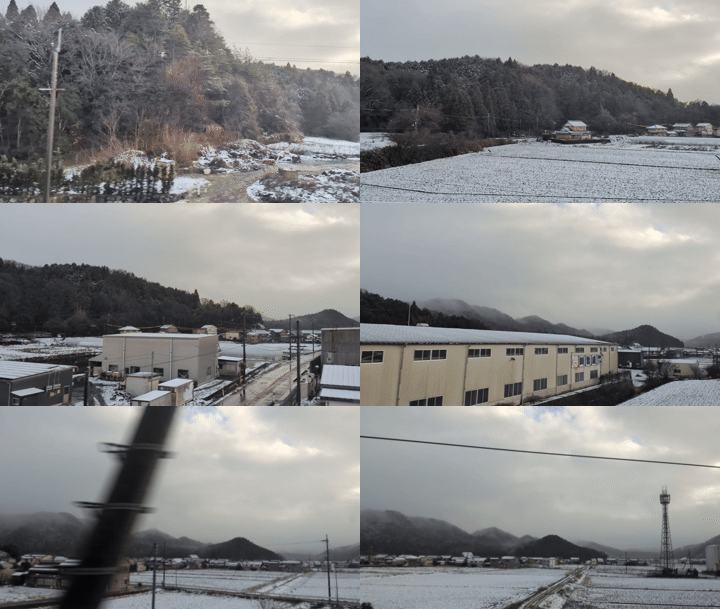
Not willing to wait too long, and already being 20mins delayed, with no guide, I decided to just purchase a Shinkansen to Kyoto. I boarded the wrong train again, this time a local one that made all the stops. The train goes pretty fast, and I got some pictures of last night’s snow in the rural areas — it didn’t stick in Tokyo. The train moves fast!
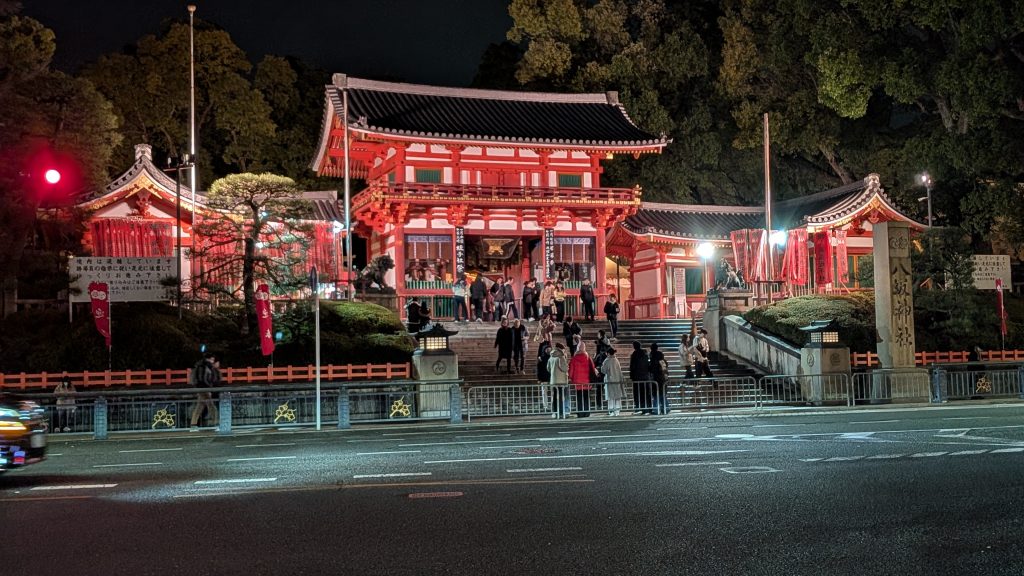
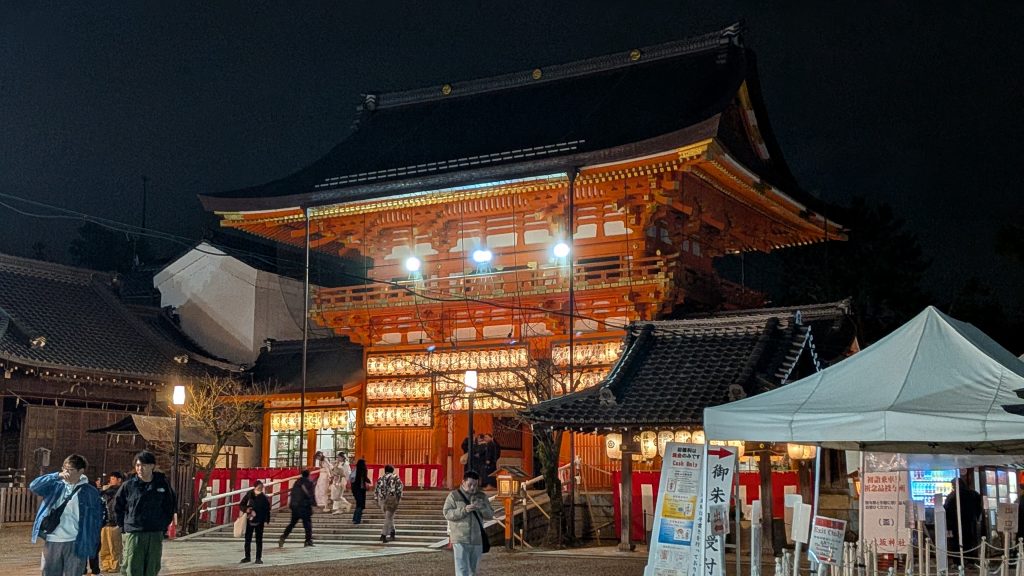
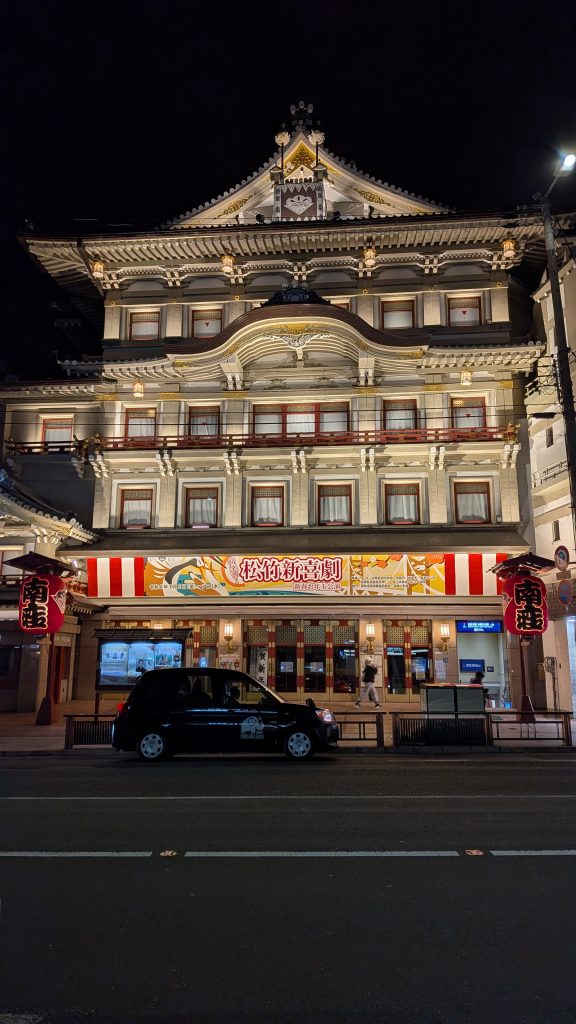
Once in Kyoto, I spent some time wandering around. Unfortunately, the nearby temple had already closed. I then joined up with the late night tour of the Geisha district, and became quite glad that I had an electric vest. The guide explained some of the history of the Geisha, their differences with respect to Geiko, their beginning training as Maiko, and the exclusive social status attitudes played by the private clubs. I don’t recall much, except that I found it interesting some few people will still undergo the training regimen because wealthy businessmen will often marry a Geisha — at which point they are no longer Geisha. I didn’t see any professional Geisha walking around, nor did I take any photos, because of the prohibition following asshole tourist behavior.
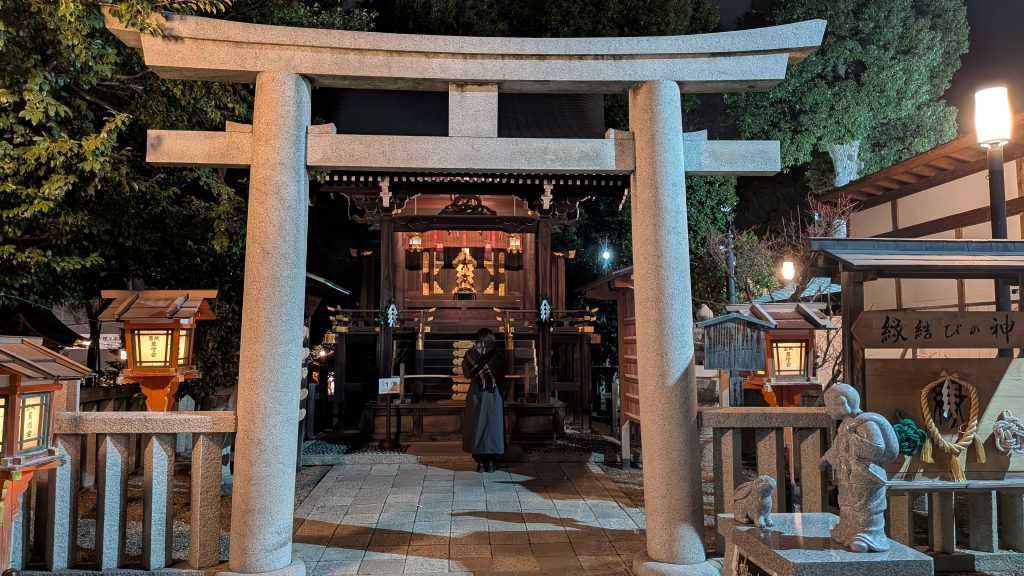
Day 5: Sunday 01/04
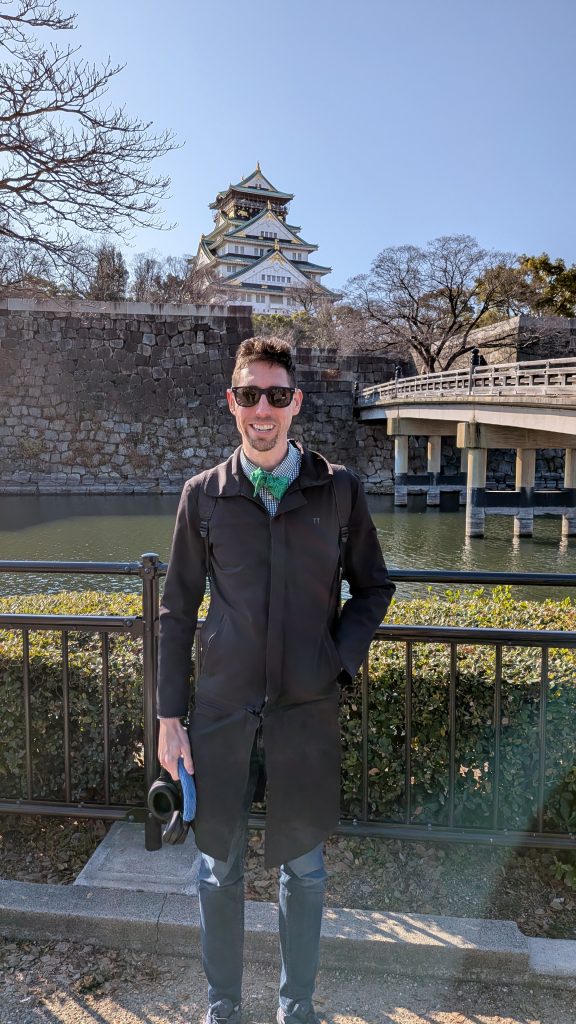
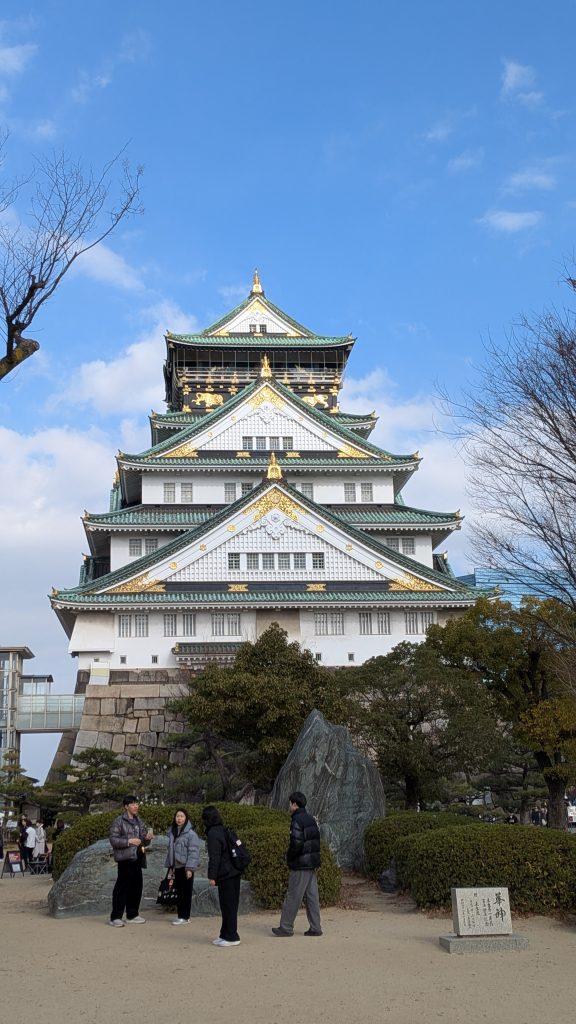
Today we had a long tour around Osaka, beginning with the castle. The tour guide gave us a long-winded story about the history of its construction. The warlord era of Japan wasn’t any better than the Feudal period in Europe, both full of ruthless warlords whose goal was to amass land and control over peasants through violence and conquest. The Osaka area grew under Oda Nobunaga, a vicious sociopath who got kicked out of the fighting Nagashima monastery in is 20s and later burned them alive when he acquired the power of a shogunate. His attendant Toyotomi Hideyoshi worked his way up from slipper carrier to foot soldier to successor. Avenged Nobunaga’s assination, and used his diplomatic skills to unify Japan. He fell from power during the Seige of Osaka as his former ally Tokugawa, from Edo, took power and credit for securing the unification that Toyotomi struggled to maintain.
From the castle, we went on a tour through the city, via some shopping districts. Ate lunch at a hole-in-the-wall that our tour guide really enjoyed, and ended with a tour through a pachinko parlor — where the boomers piss away their wealth into slot machines. The hall used to pipe subliminal messaging to encourage more gambling.
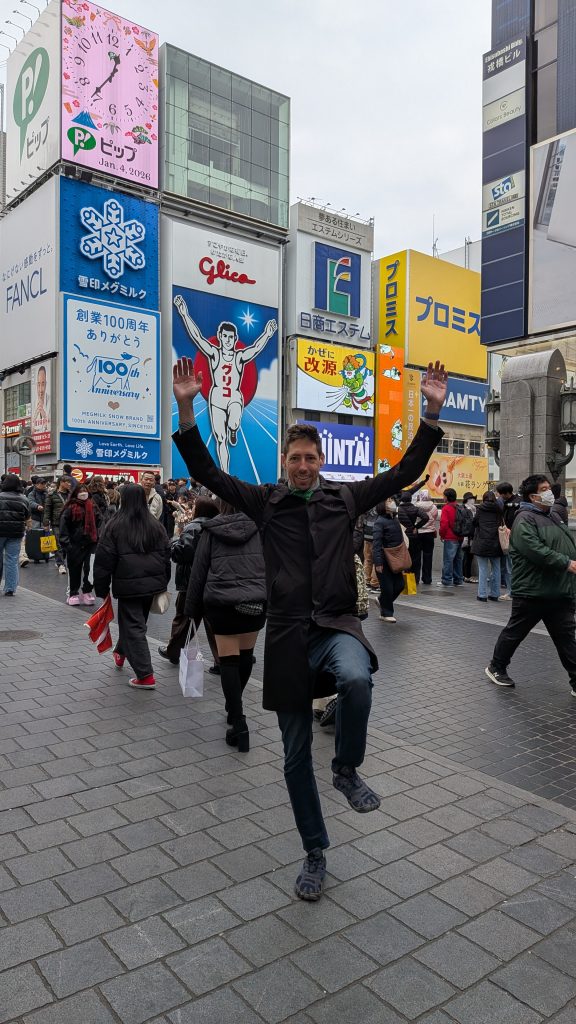
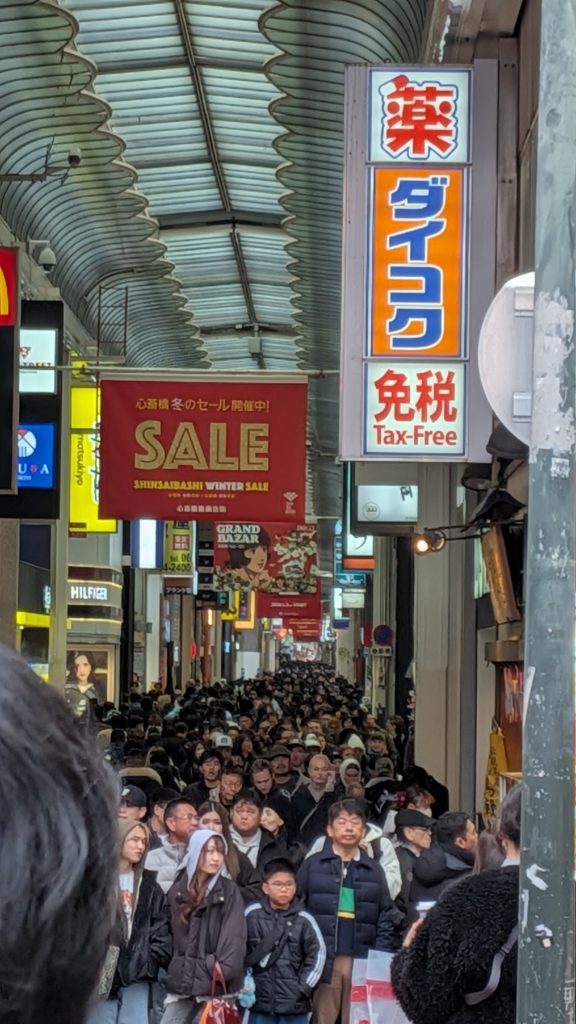
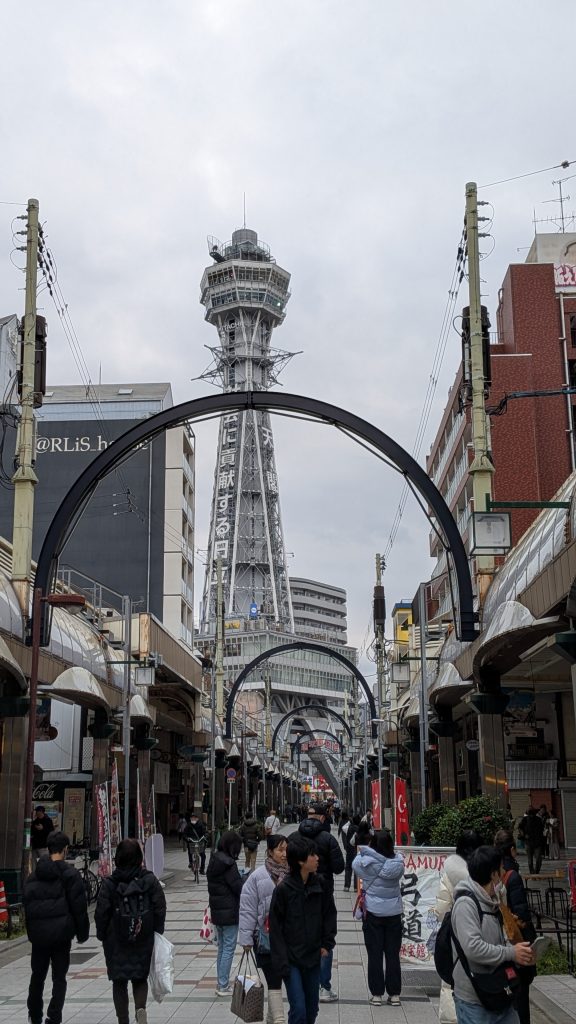
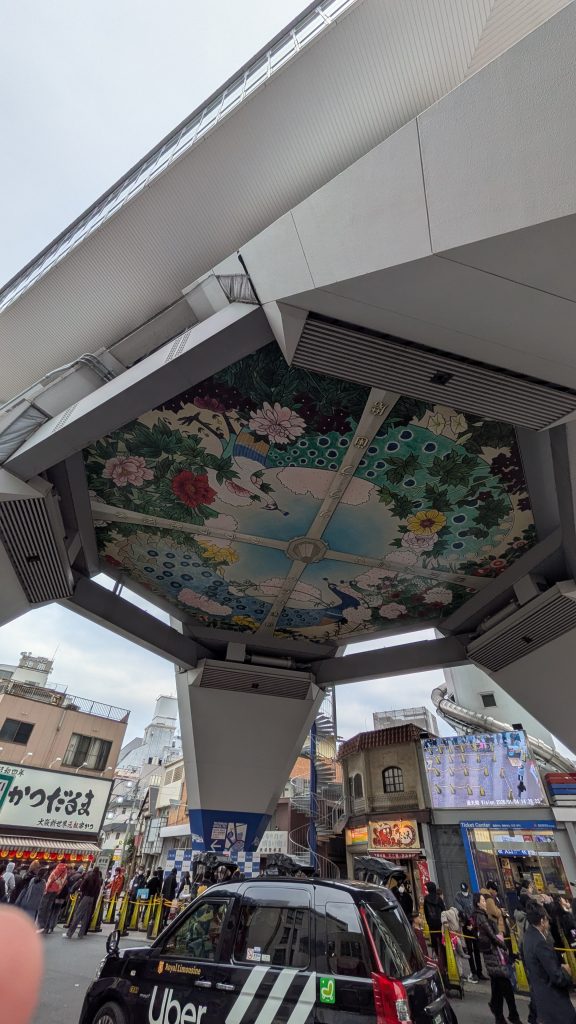
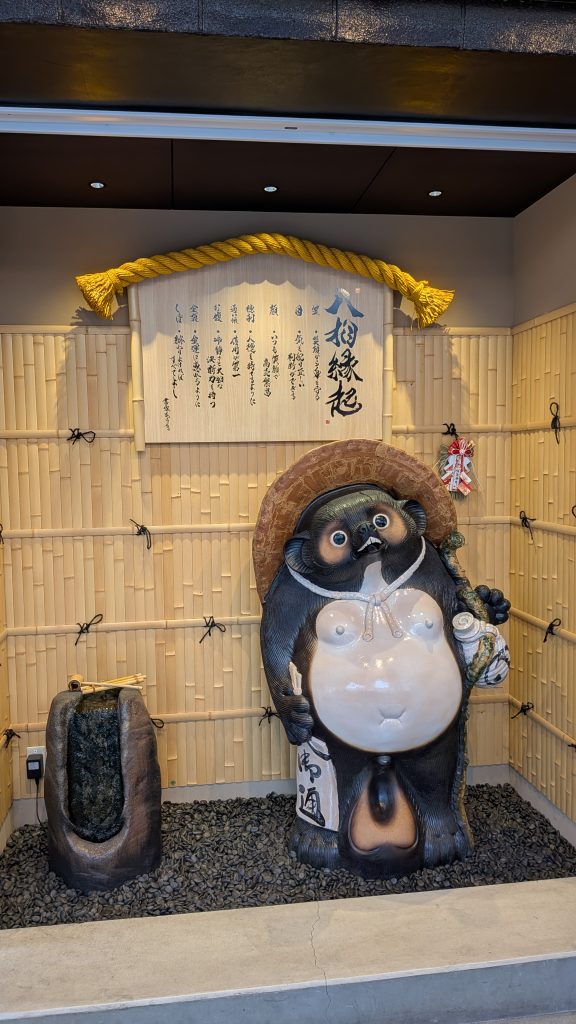
Our guide also explained some of the interesting everyday items. Some background on the shrines that are so common, the “raccoon dog” (tanuki) with the magical testicles, the Daikoku god of commerce and wealth and fortune and Ebisu god of prosperity and wealth in business, both of which had large ears.
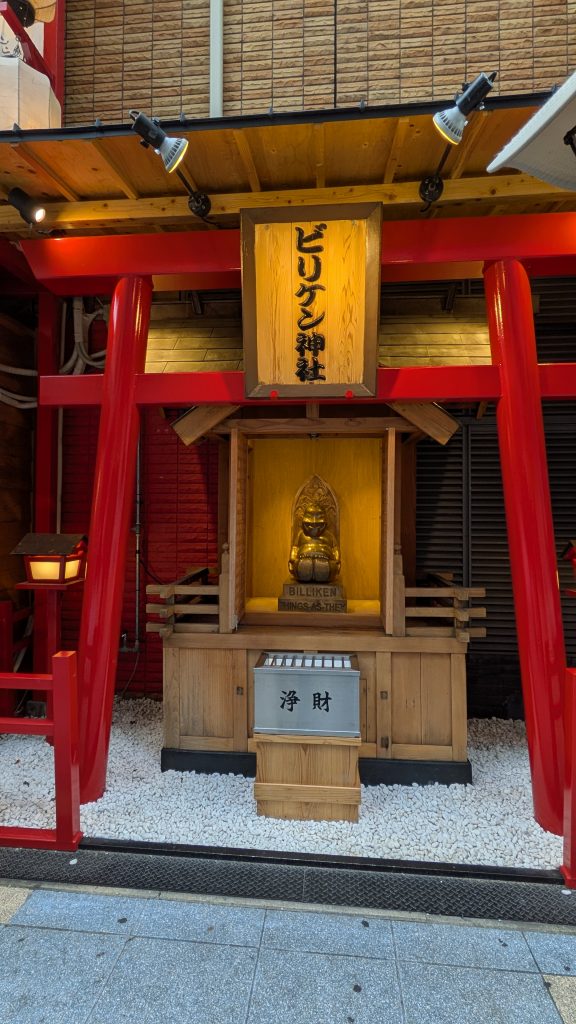
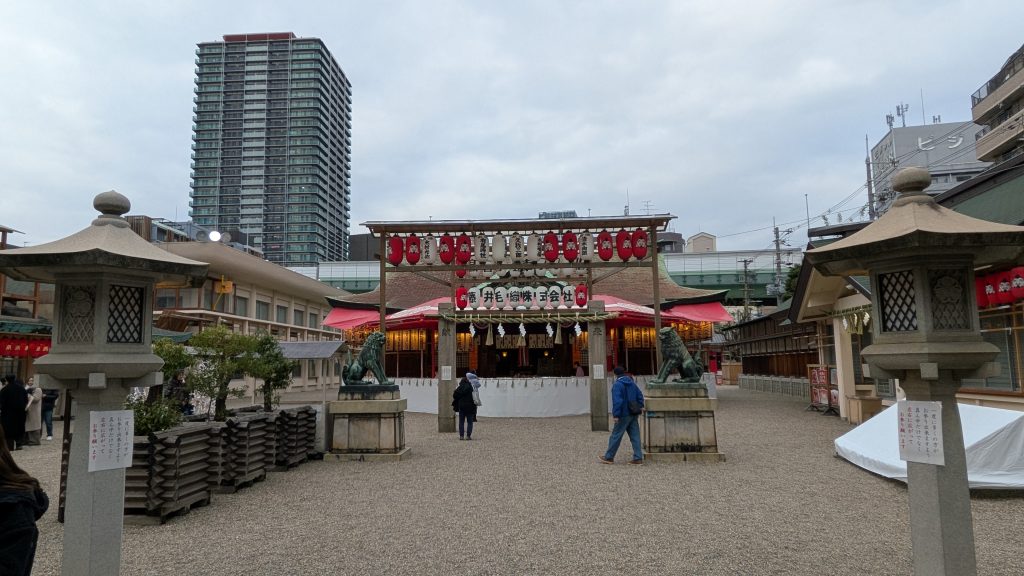
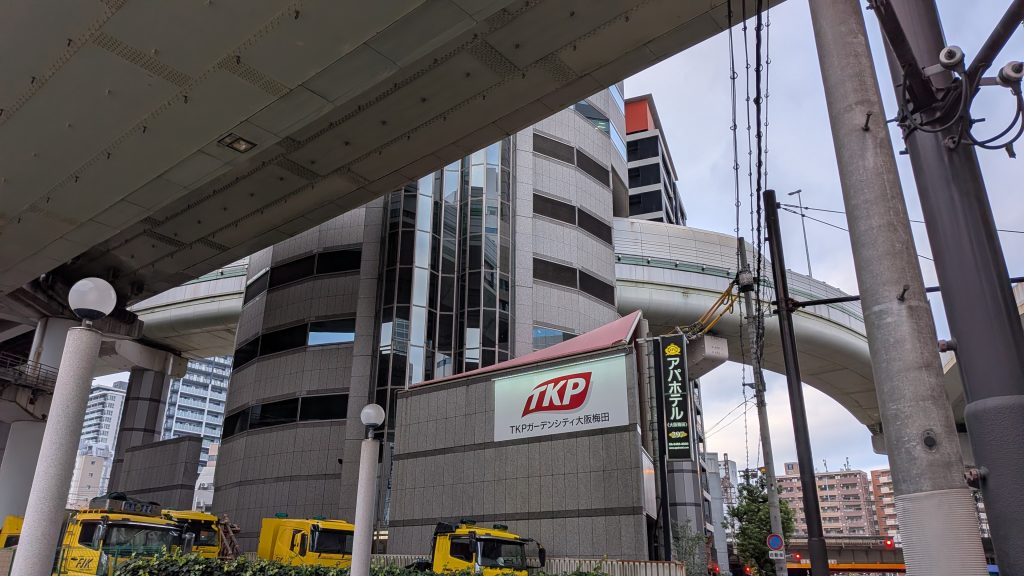
After the tour, I made sure to visit the Gate Tower Building, which has a freeway interchange ramp passing through it, in a beautiful compromise that arose from a mistake in city planning.
In the evening, I continued walking. This time around the Red Light district, which had several blocks filled with shop fronts all clones of each other. Each had a bedroom style front, with an older woman eagerly beckoning passers-by as a young woman, heavily styled, waved politely with a smile as she sat on comfortable cushions. Obviously the main activity would take place upstairs. It had a stench of sadness and desperation behind the facade, as the elderly woman was too eager, the young woman too fake, and the arrangement too economically tuned. I also visited the gay area. It had the typical late-night entertainment of bars (advertising drag shows), games, shops. I didn’t see any particular iconography, such as a rainbow flag, to mark the areas as special.
Day 6: Monday 01/05
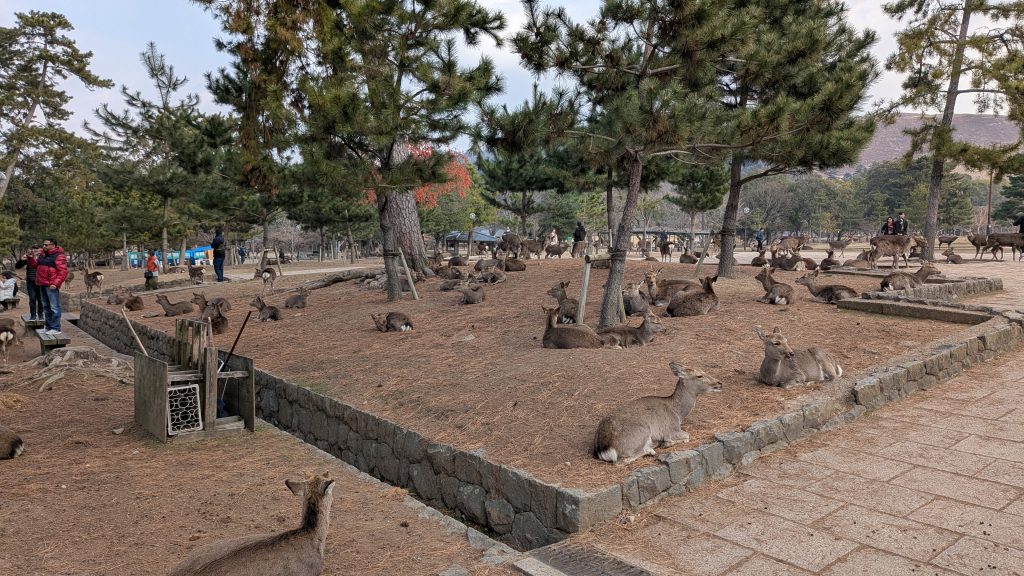
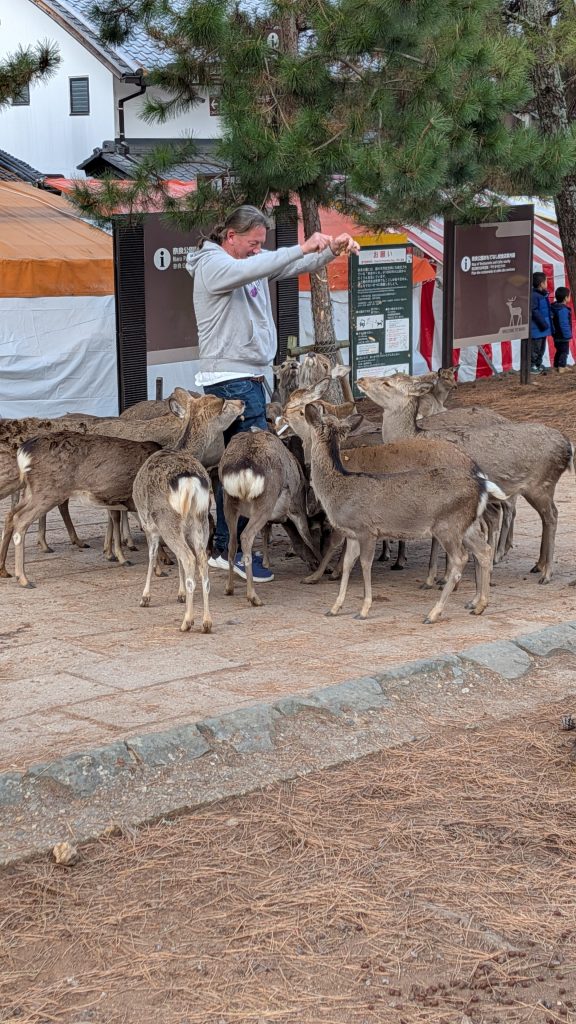
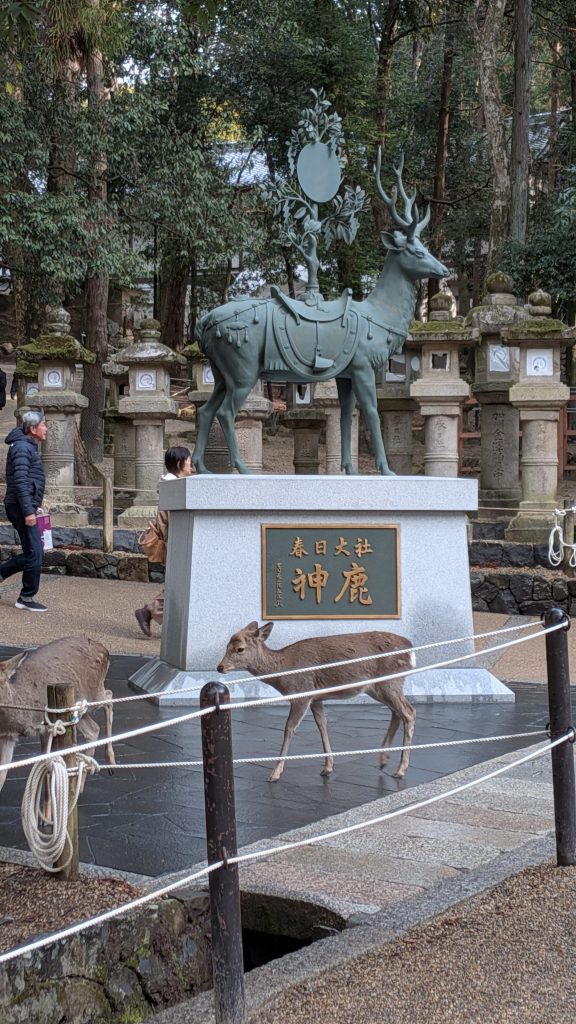
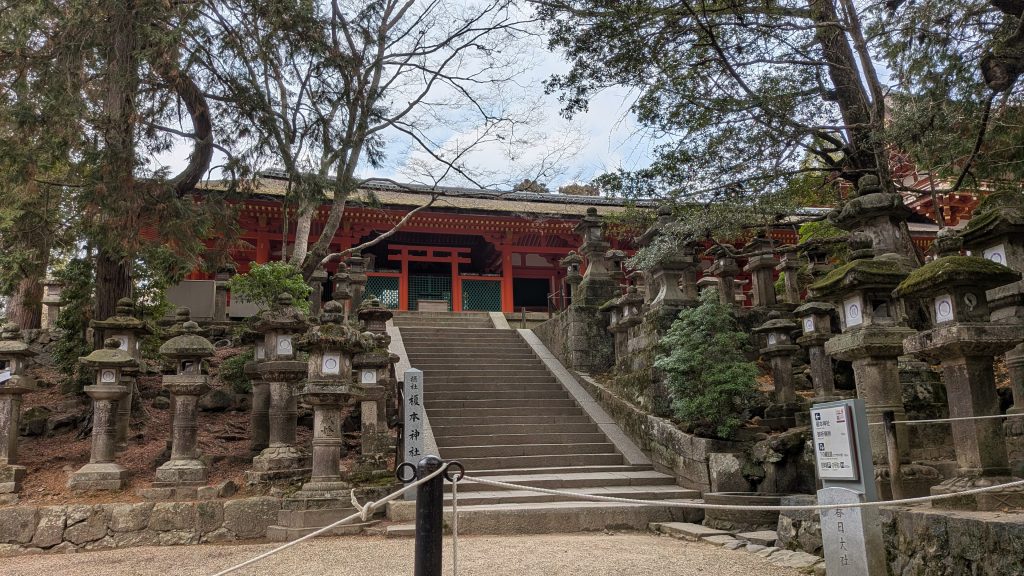
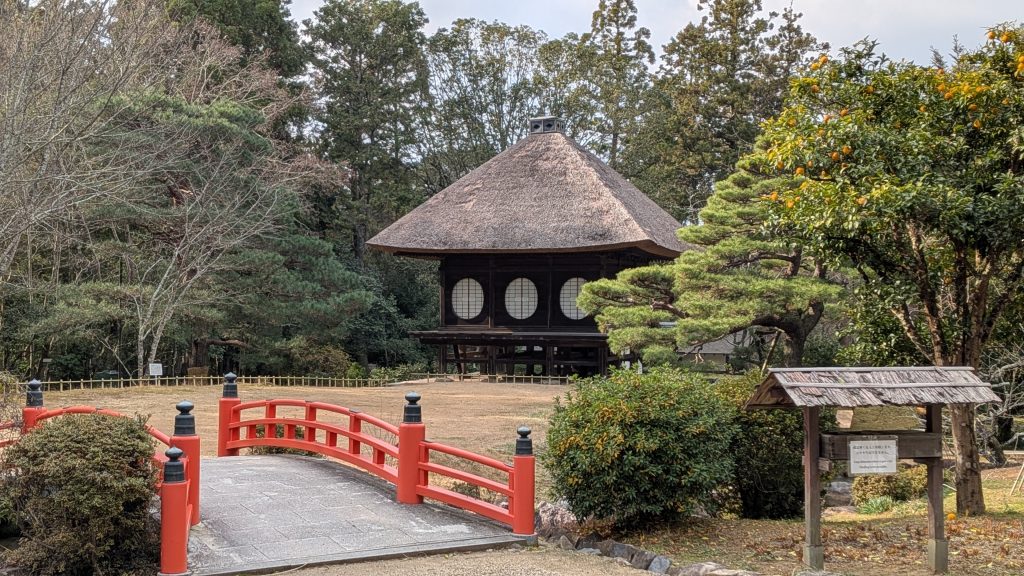
On the final day of the tour, I joined a large group in a bus headed to Nara Park. They have a bunch of “wild” deer that obviously acclimated to tourists and aggressively want the food. The males have all been stripped of their antlers. I headed up the hill to visit a Shinto shrine and botanical garden. This ran me out of time, so I neglected to snap a picture of the enormous Buddha statue in the primary temple. I guess that means I’ll have to visit again. As usual, there were plenty of street vendors lining all the walkways, and the monks at the shrine were selling keepsakes and trinkets to the tourists.
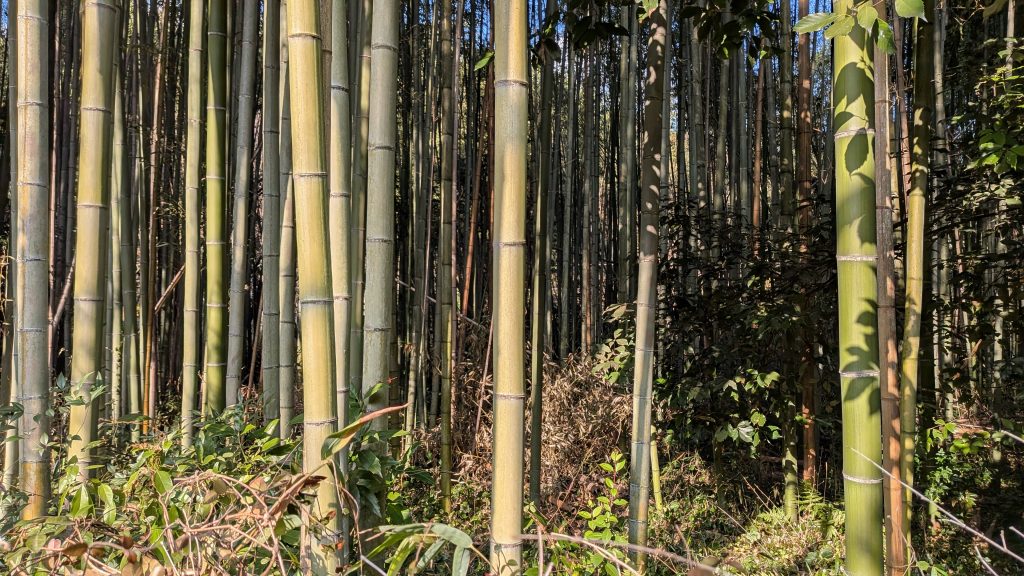
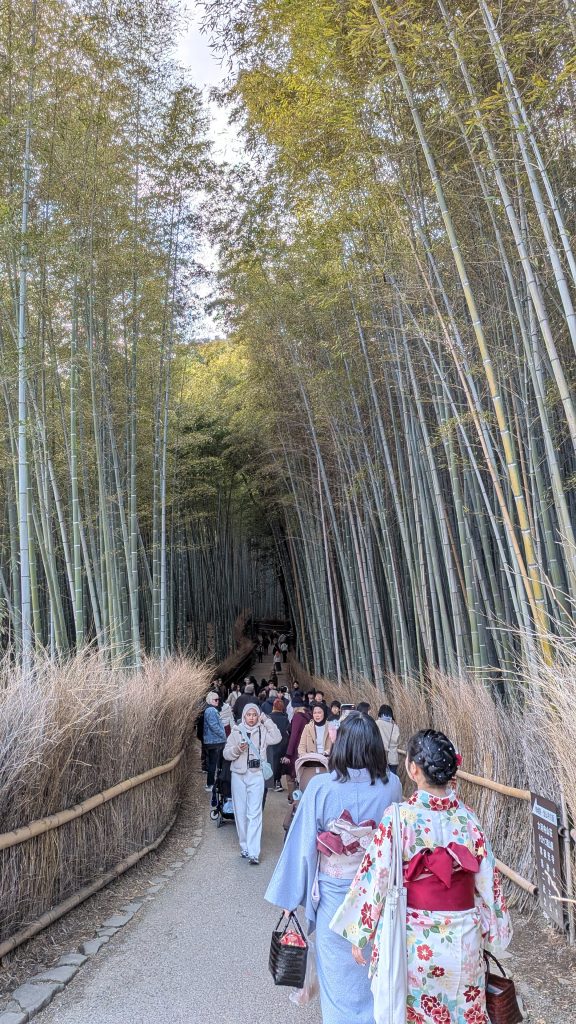
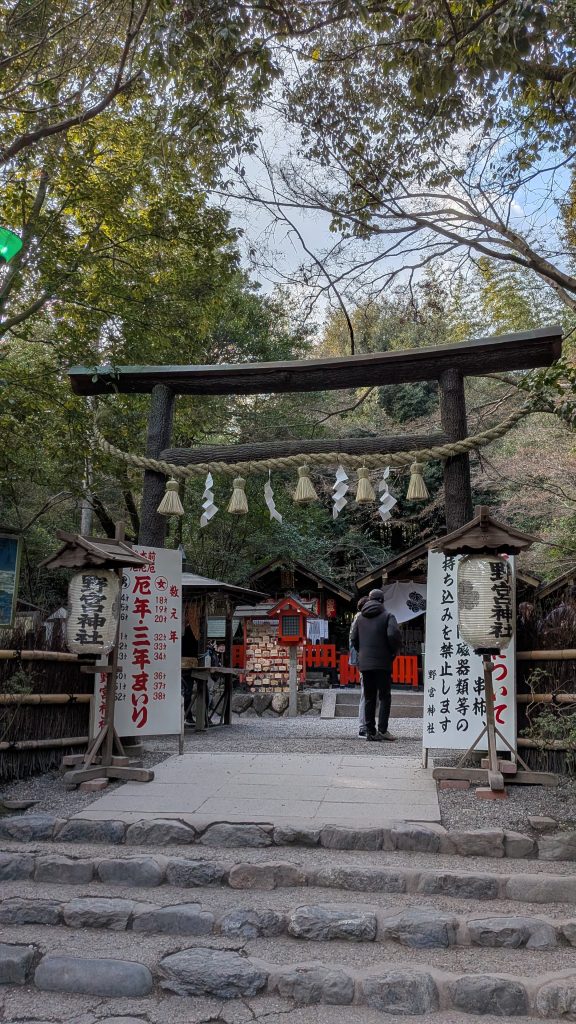
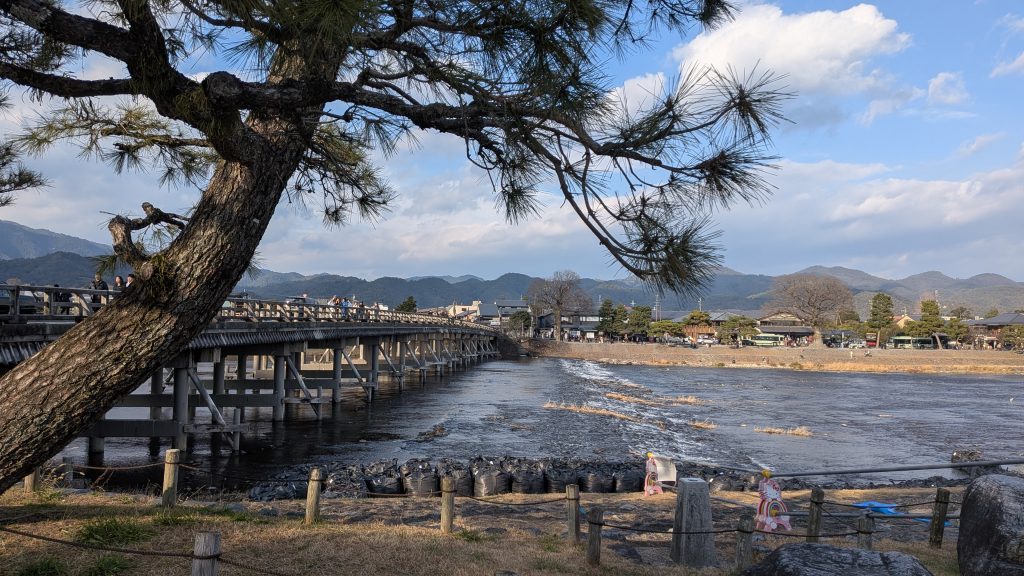
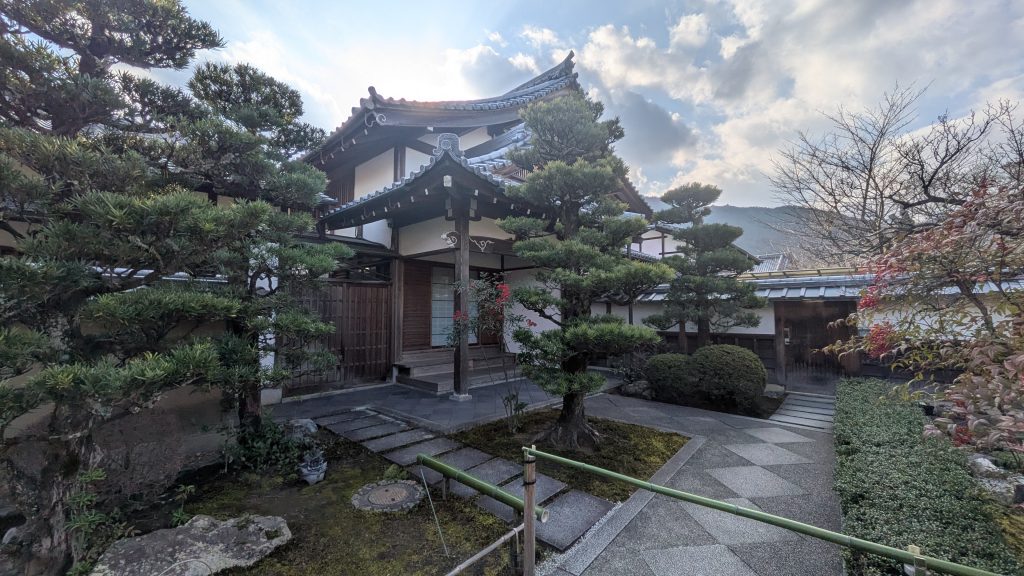
From Nara, we headed to Arashiyama, where I strolled through a bamboo forest, grabbed a picture of a black torii gate, and took many pictures of the Tenryu-Ji temple. I traversed the Nonomiya “moon-crossing” bridge, which spans a rather wide river and provides good views of the mountains and valley. The monks quarters at Tenryu-Ji struck me as idyllic, and I’d love to reside in such a domicile (though interiorly equipped with modern HVAC and insulation materials).
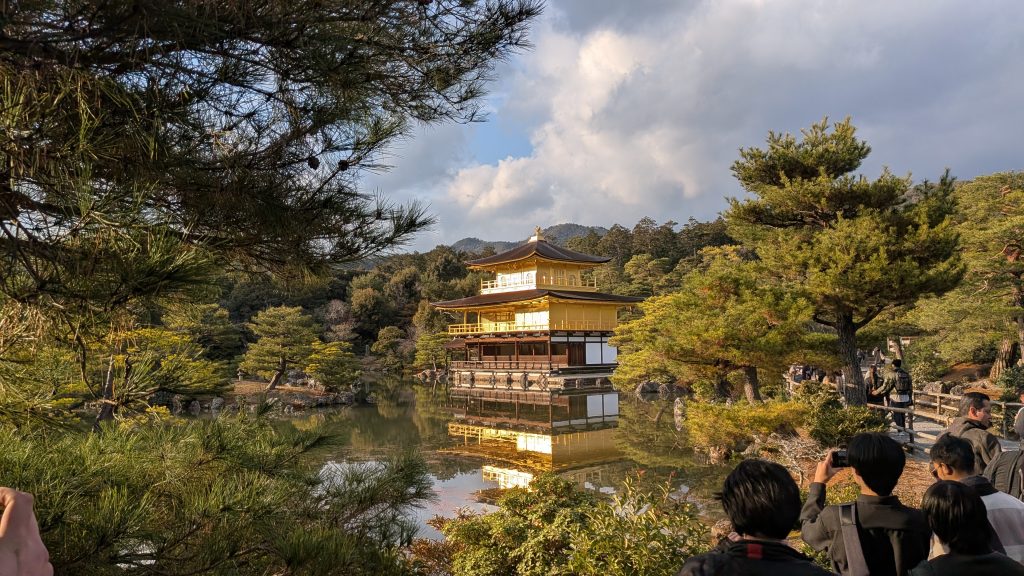
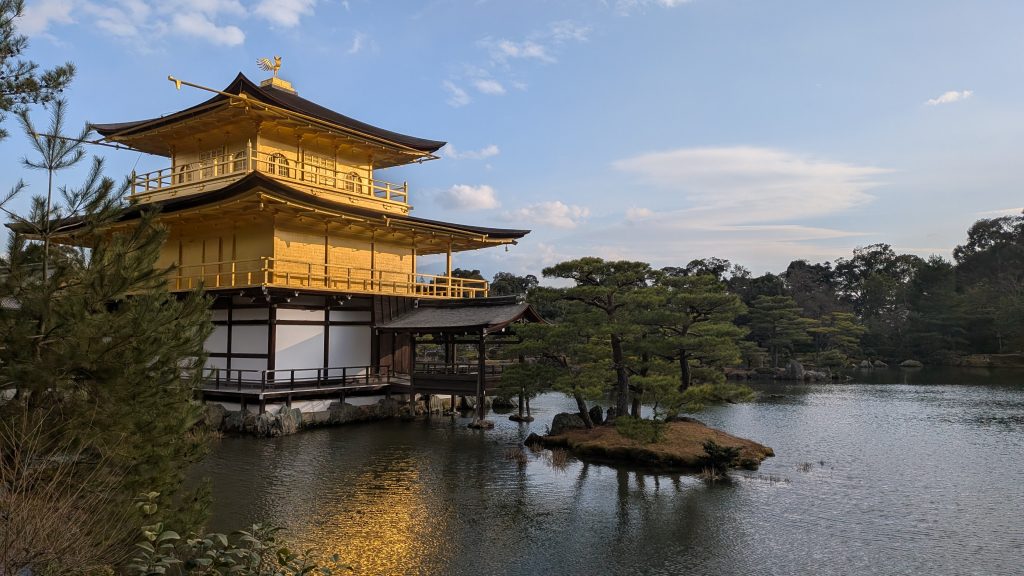
The tour then took a stop for dinner, where I had delicious hot pot kobe beef, and headed to the Golden Pavilion. It was cloudy, but this building shines extraordinarily well in direct sunlight, being clad with 20 kg of gold leaf.
Arriving back at the hotel around 5pm, I chose to retire. As I’d been limping around for 3 days already, having developed Achilles tendinitis on the left leg.
Overall Impressions
I really, really enjoyed that, in the city, the trains could get me anywhere and quickly. Between cities, the Shinkansen was awesome, and California would really benefit from such a system. The stations incorporated plenty of shops, and some operated as entire malls. That’s notably different from America, where our car-centric planning has turned shopping into its own trip, rather than a detour along an existing route. These places thrive on pedestrian access!
The cities were incredibly dense and urban. They have history integrated everywhere, with countless shrines and temples, mostly ignored by modern culture. They have a handful of people interested in the old ways, taking up roles as master craftsmen, monks, and geisha.
Finally, the bookstores incorporated co-work spaces, with hourly access fees. They had areas for all sorts of boutique items. I really enjoyed these spaces, but I didn’t visit a library to compare against.